Harvard
Led design on a series of AR and digital humanities projects in collaboration with Harvard University, from the tombs of Giza to the Acropolis of Athens.
Giza AR
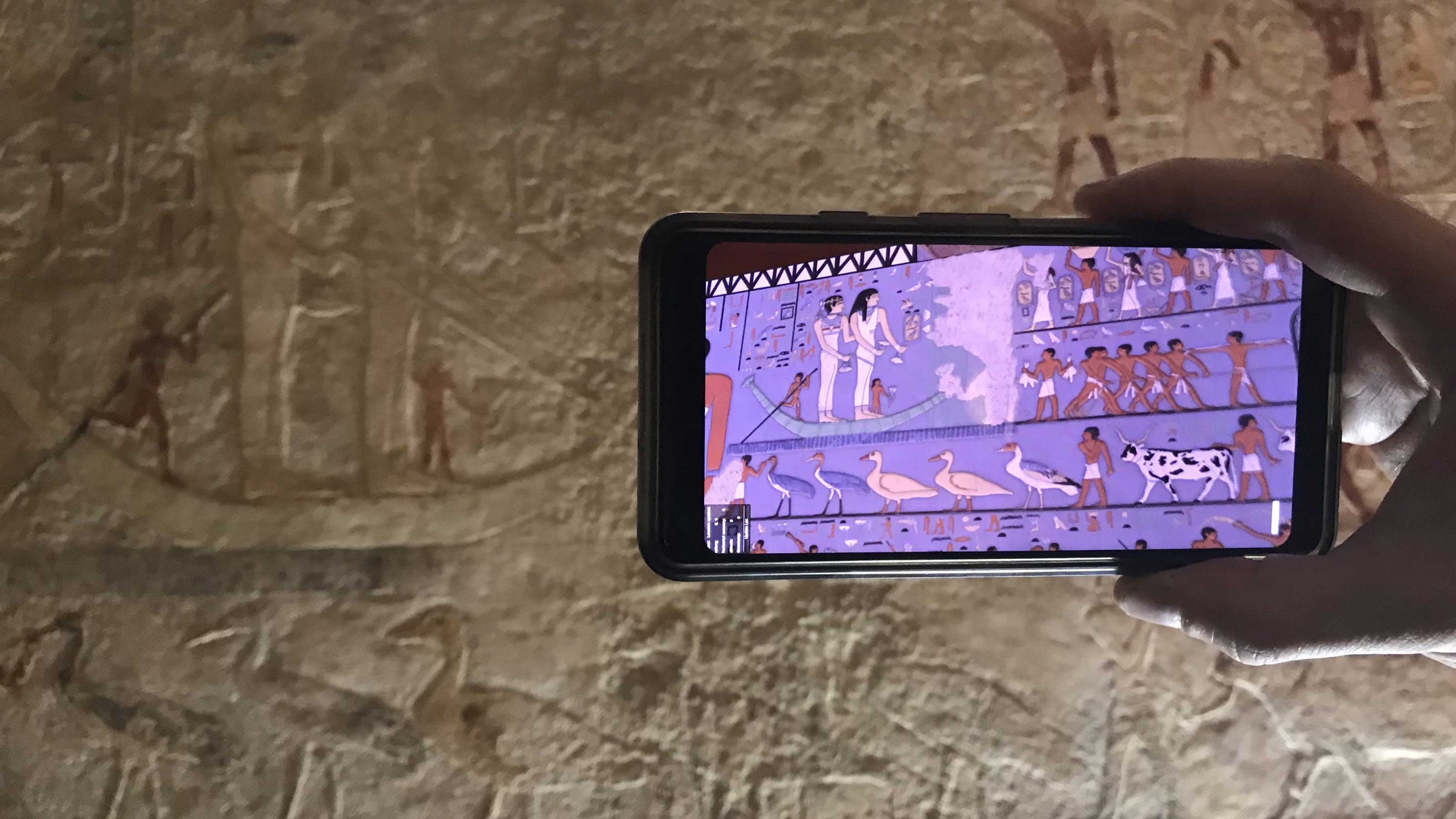
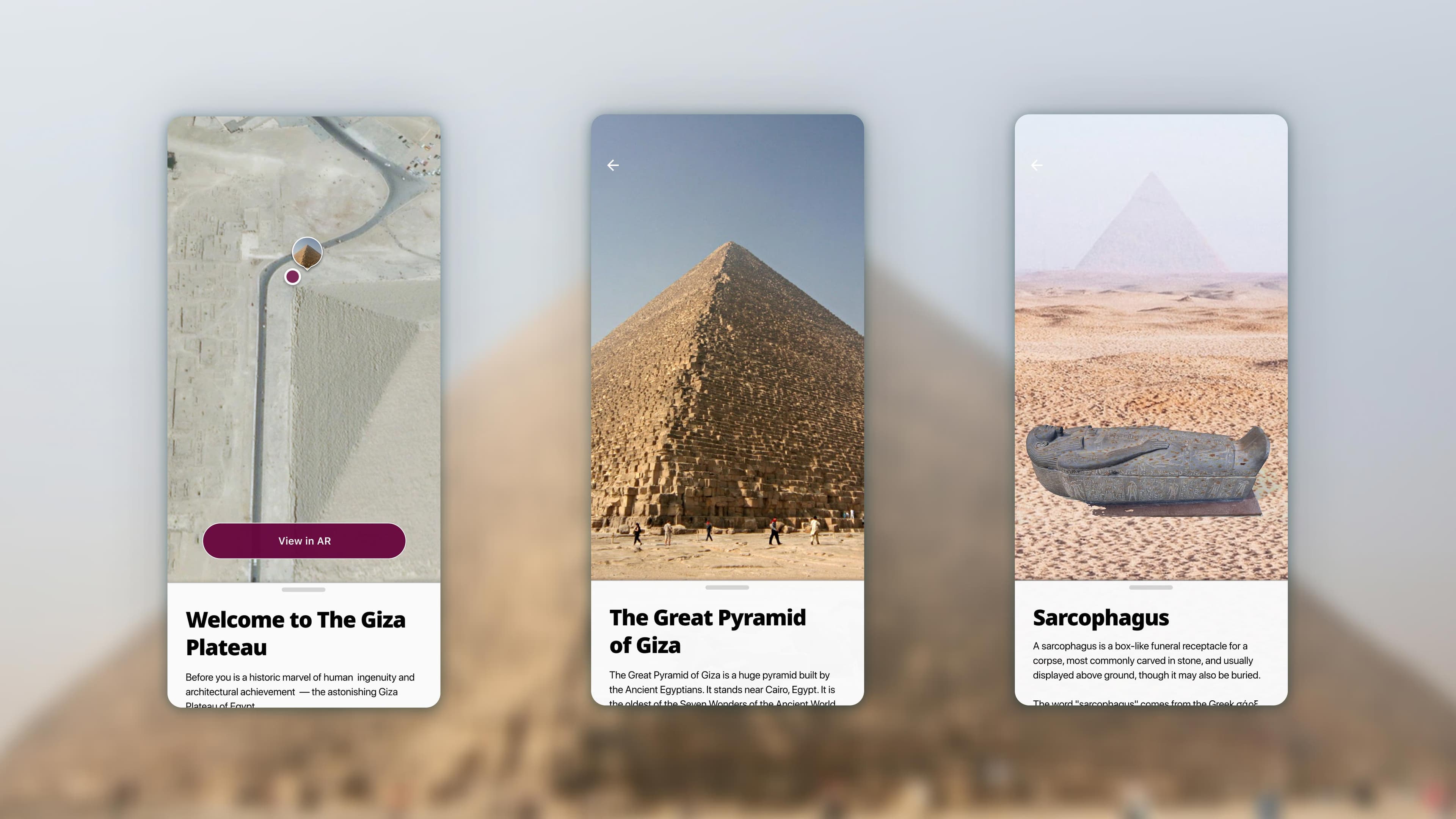
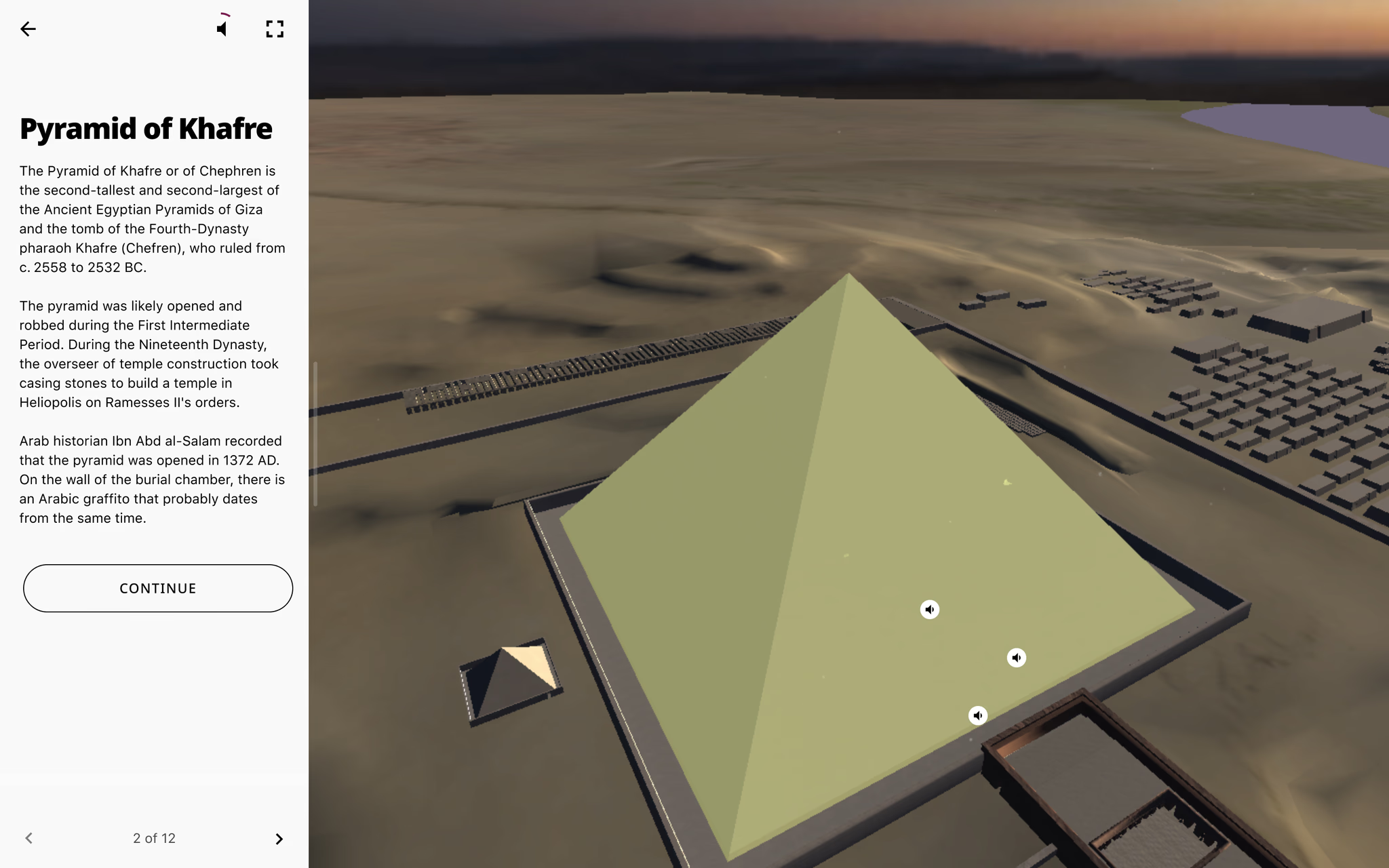
In collaboration with the Giza Project at Harvard University, I designed an AR app for the tombs of the Giza Necropolis. The concept: point your phone at ancient hieroglyphs and see them digitally restored to their original vivid colours, as interpreted by Harvard Egyptology professors. We ran a week-long hackathon in Cairo and tested the app on-site in the actual tombs. The team also captured a 3D laser scan of the tomb of Meresankh III using Matterport, later featured in The Guardian.
Parthenon AR
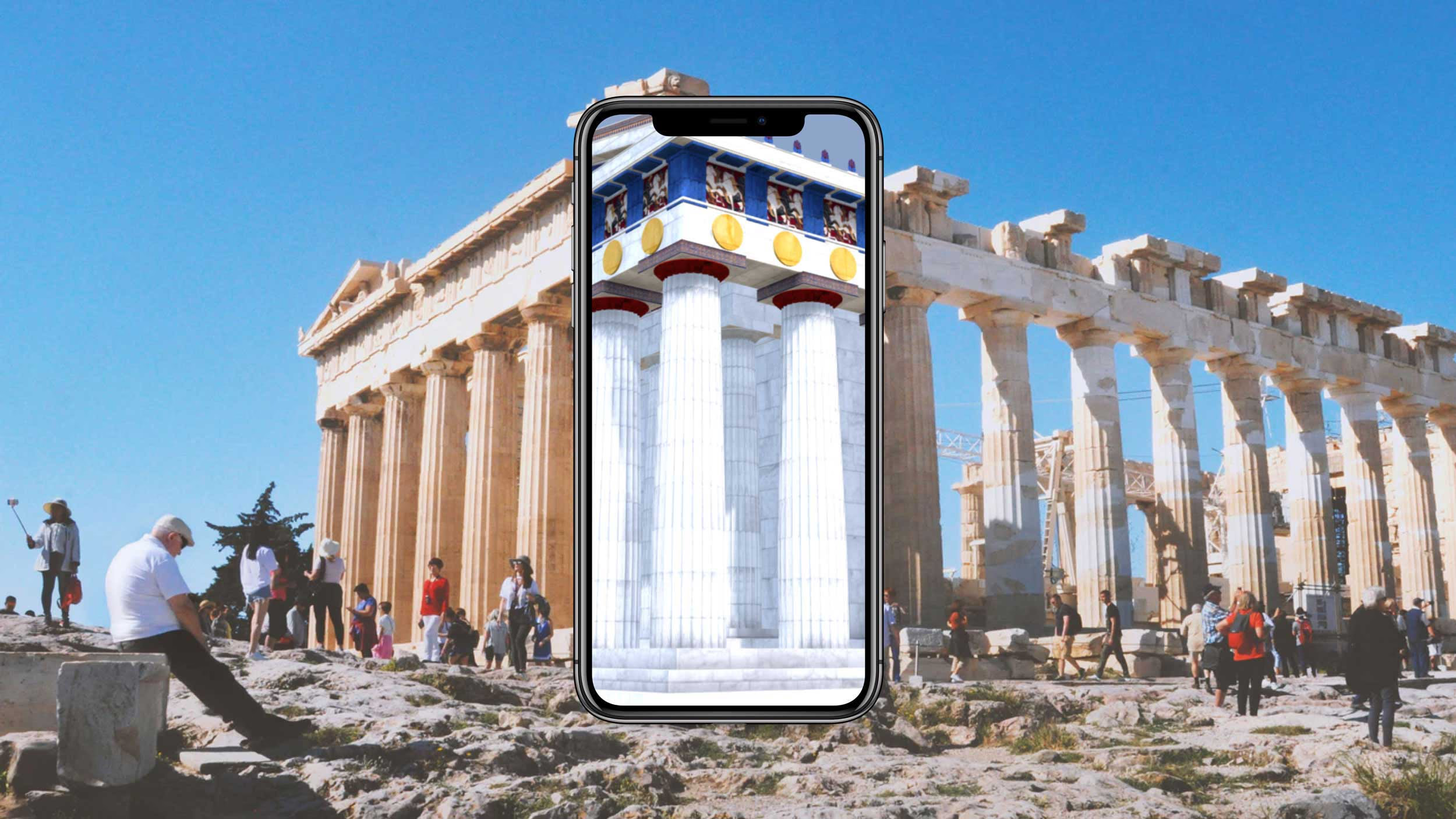
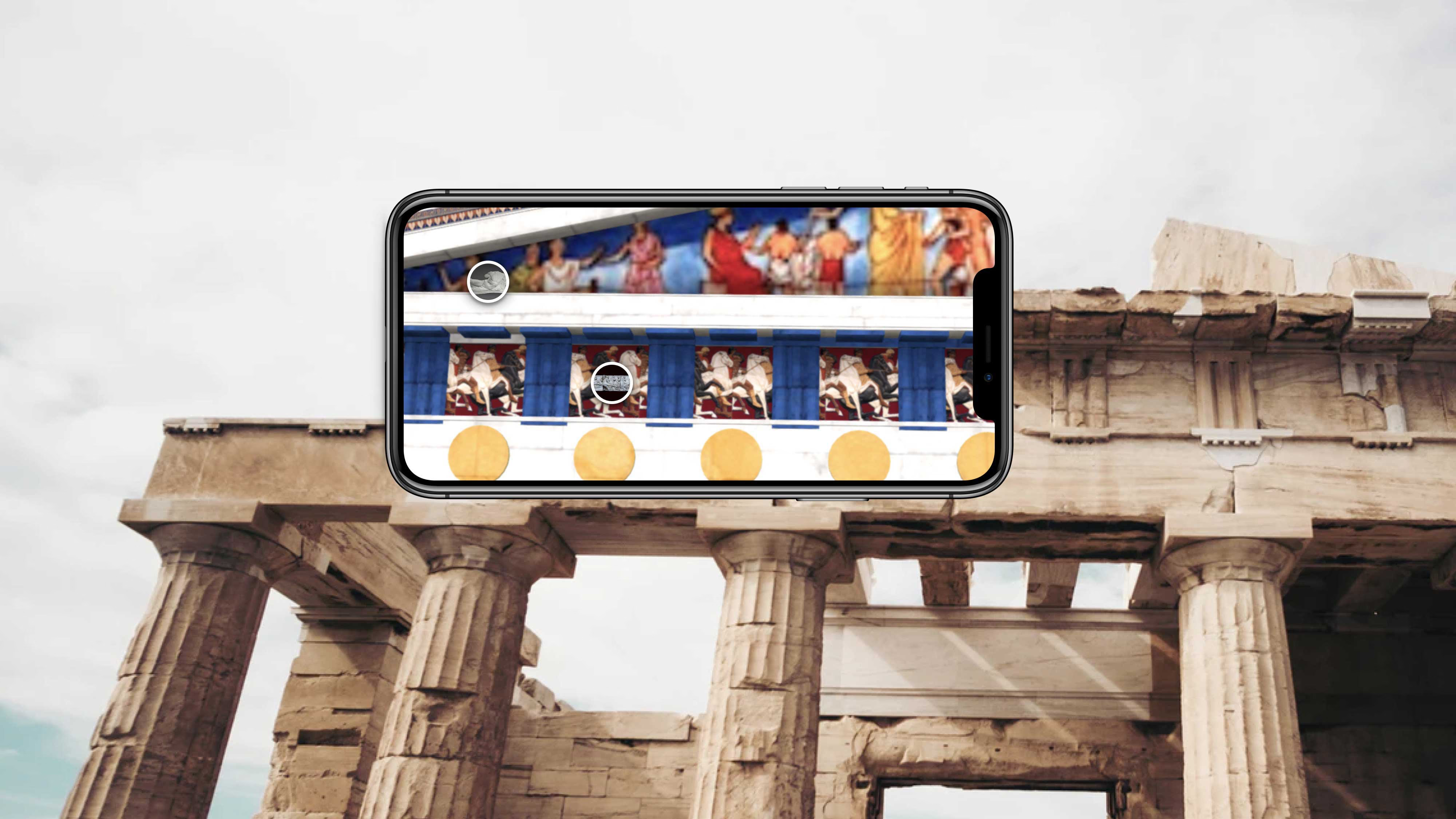
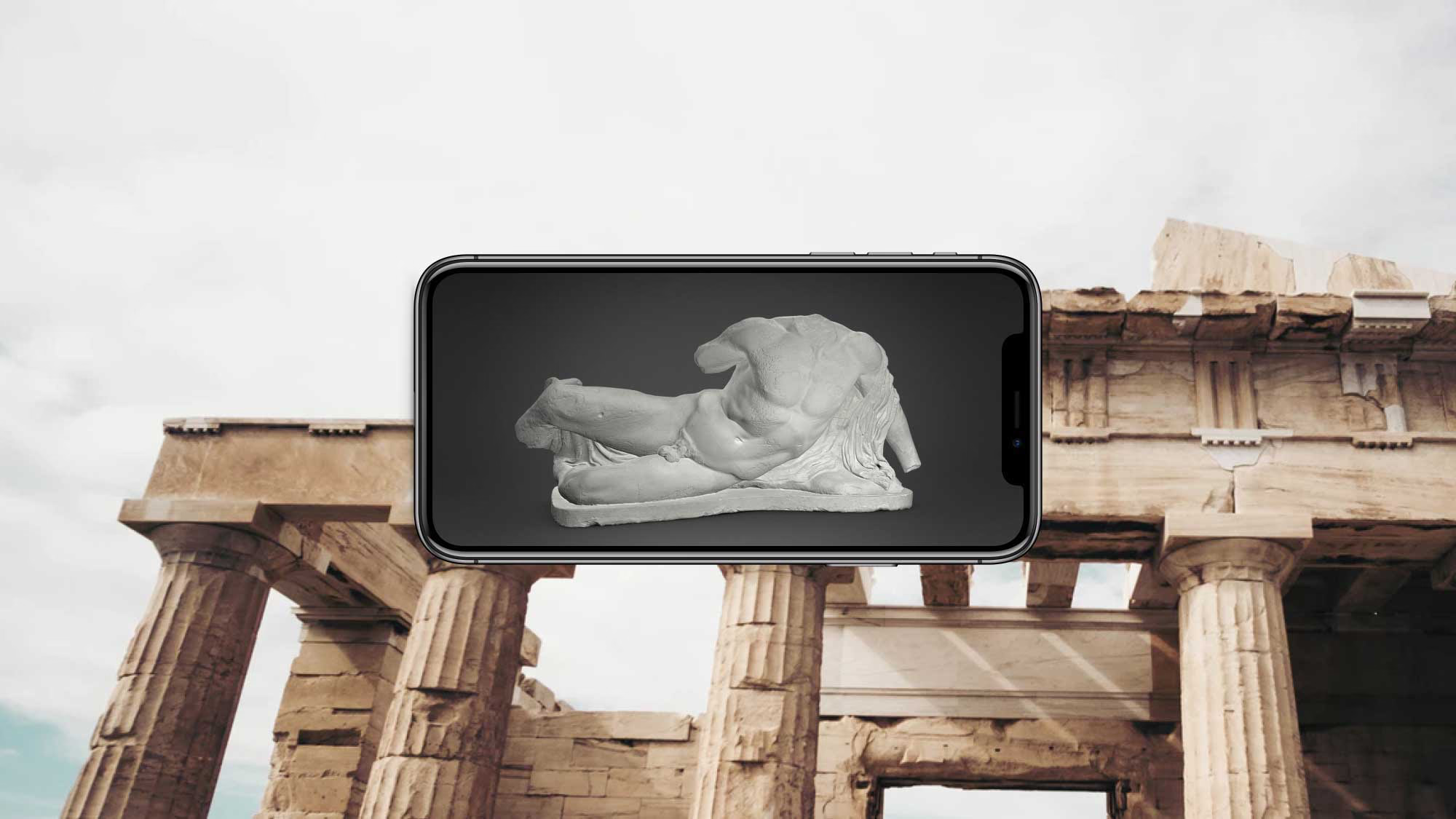
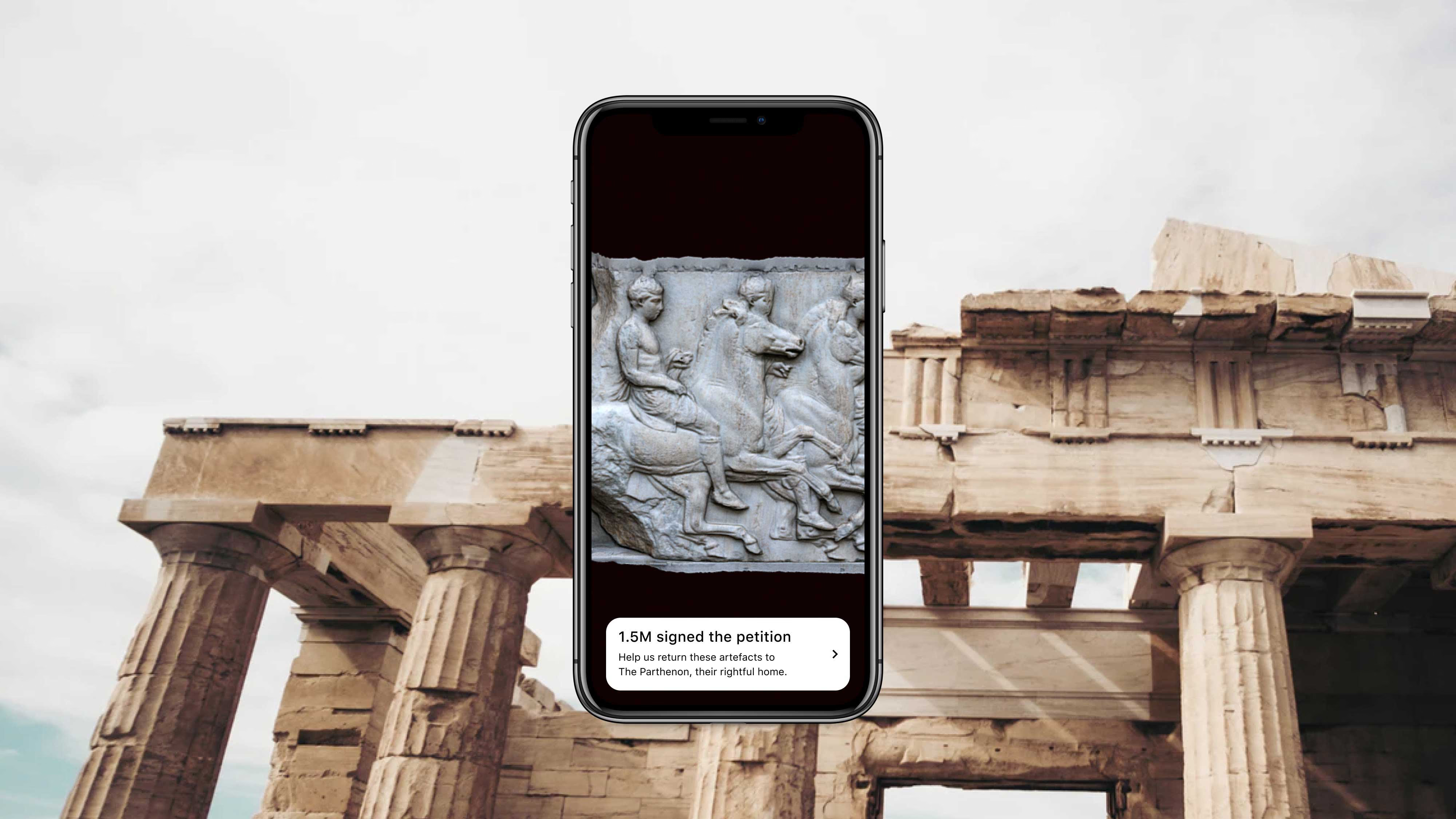
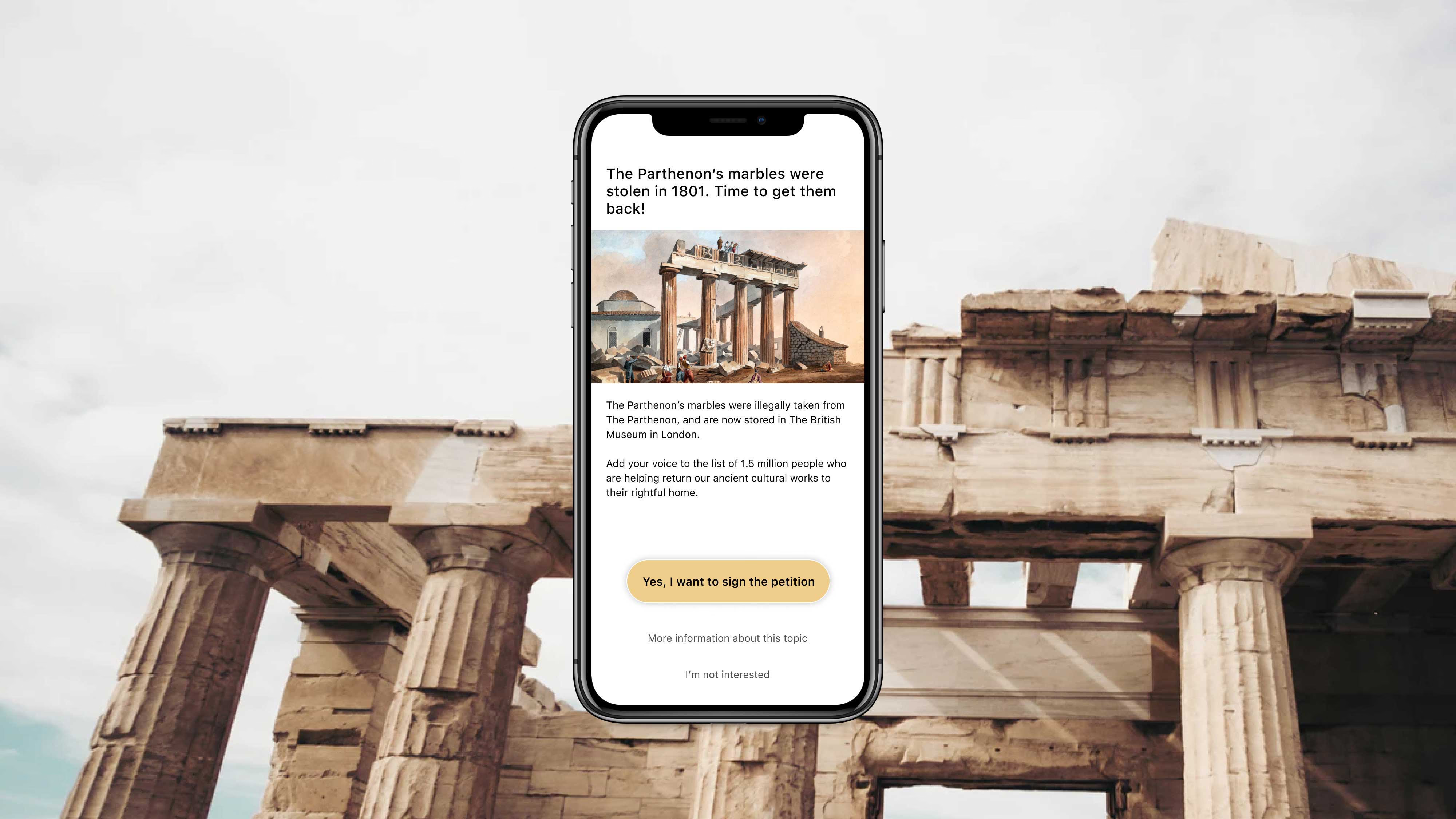
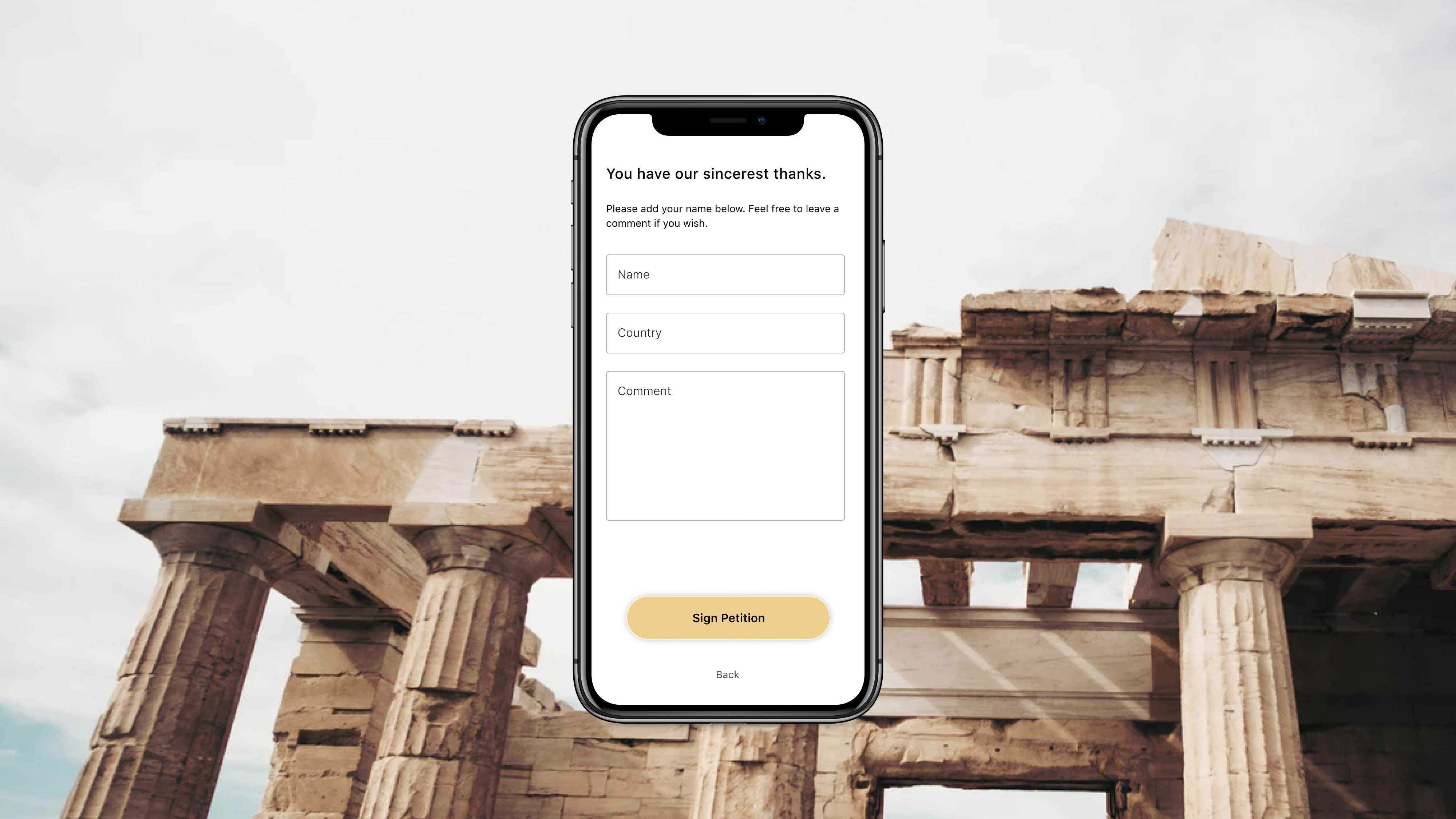
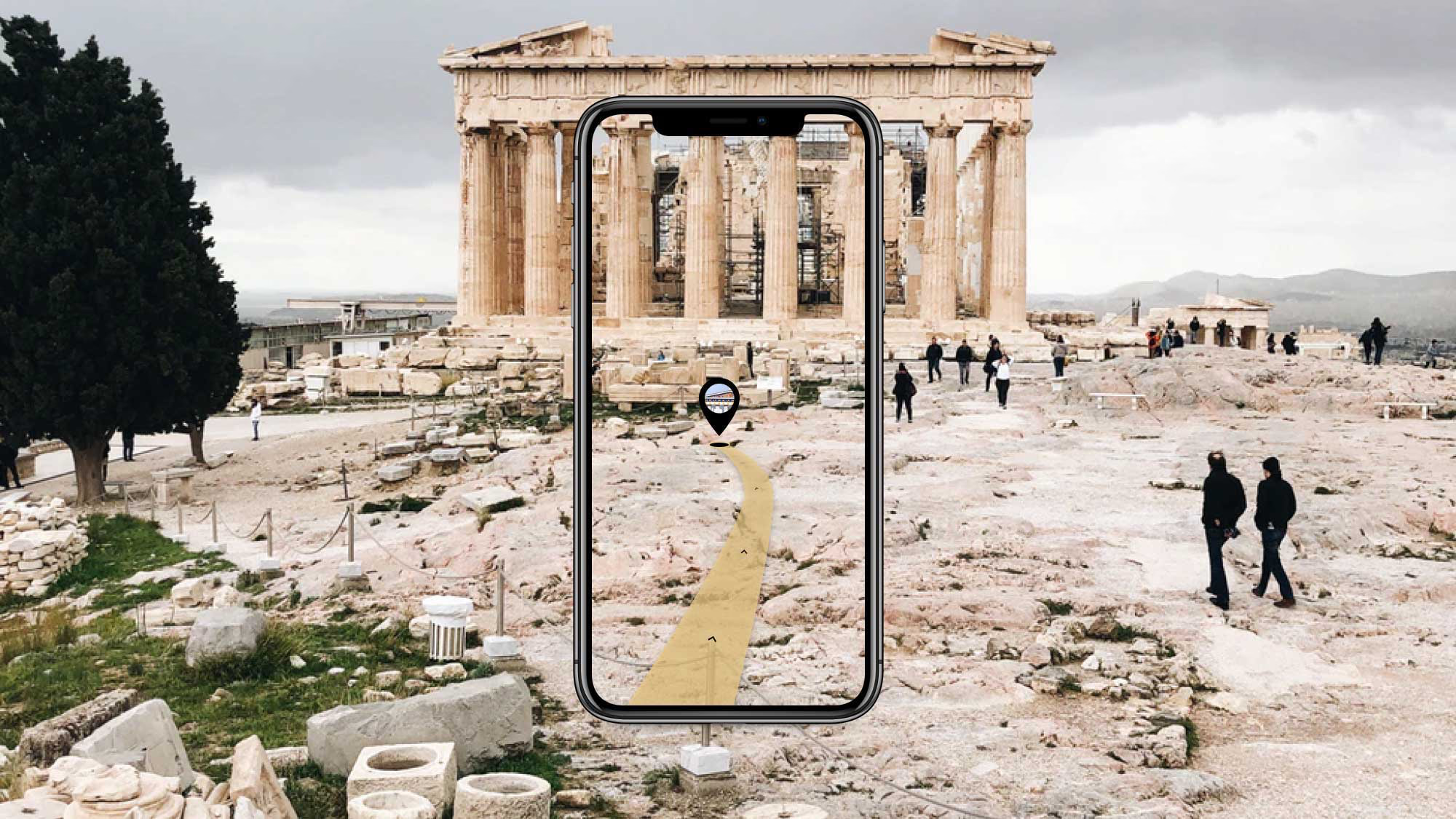
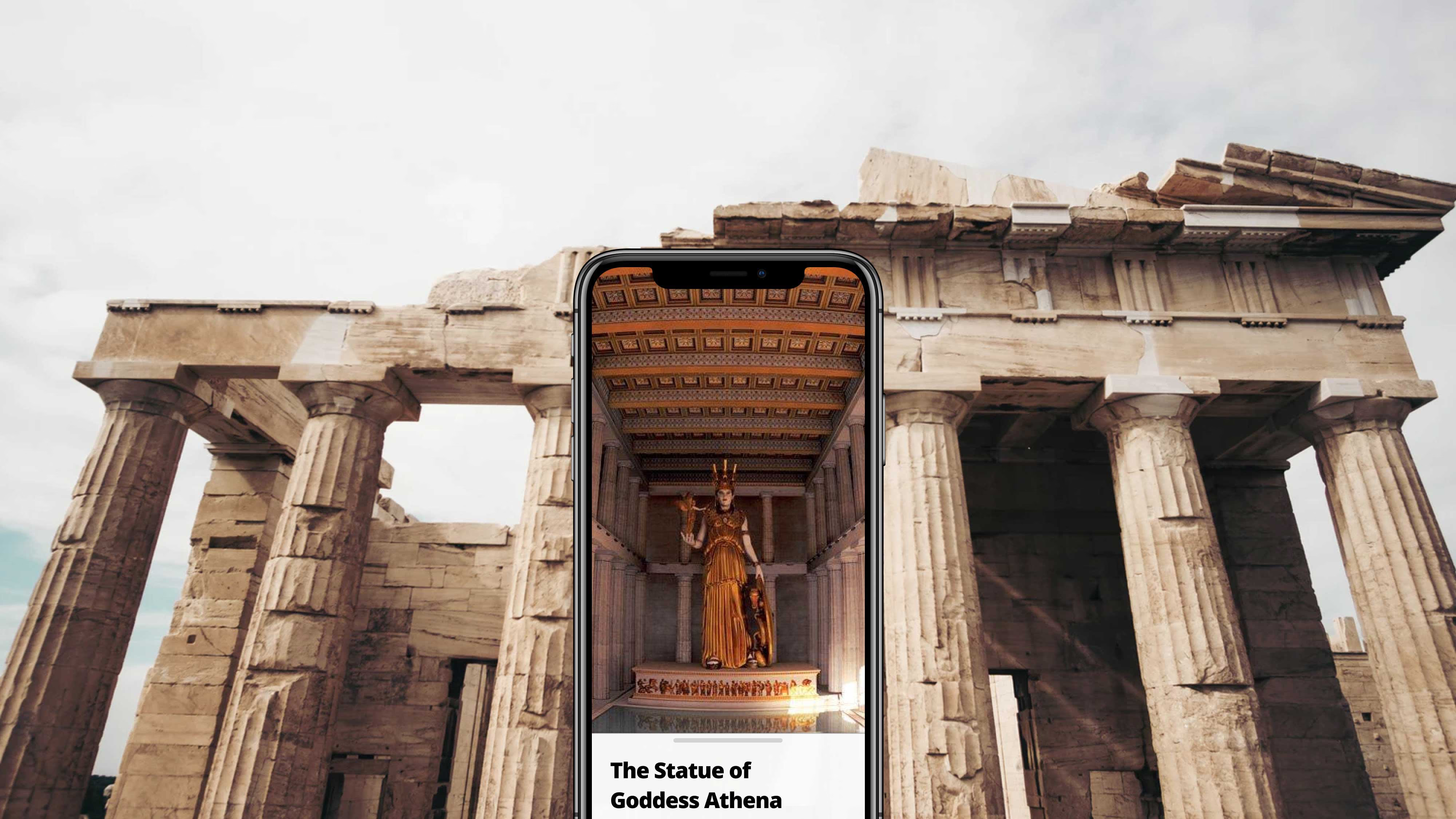
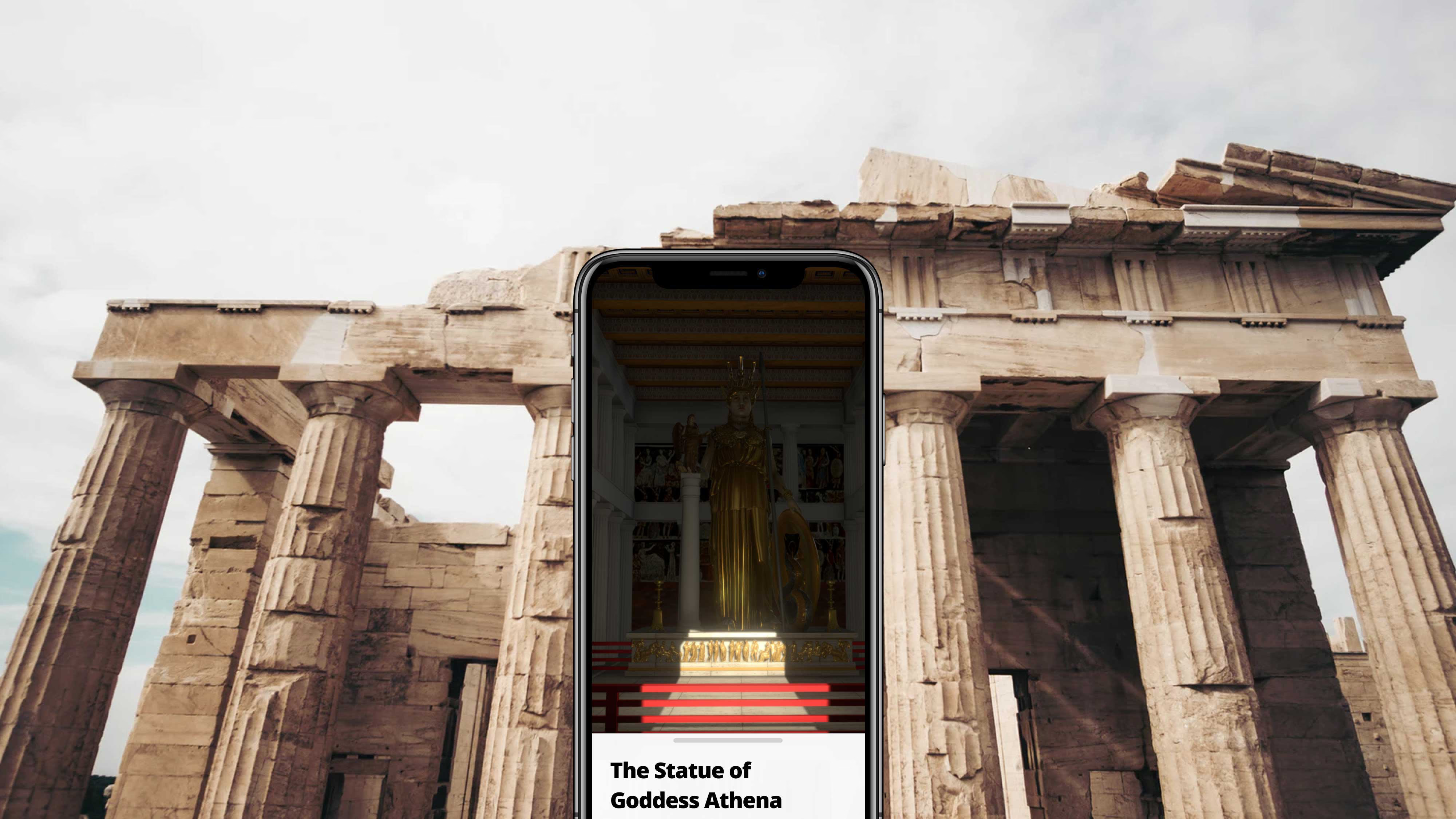
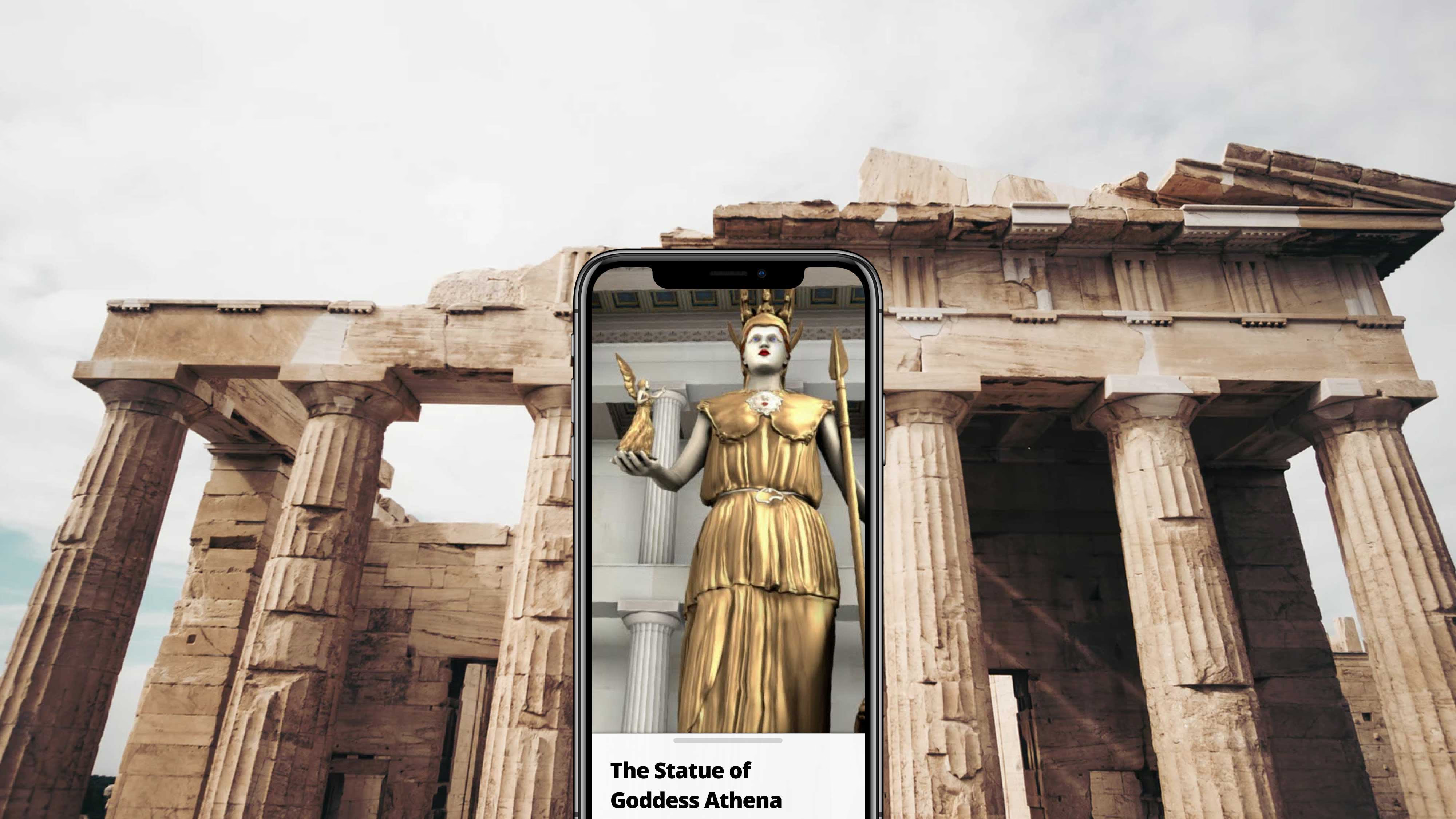
For IARPS, a cultural institution in Greece, I designed an AR experience at the Acropolis of Athens. The app would use object recognition to overlay 3D models showing what the Parthenon looked like millennia ago. I designed annotation overlays, 3D artefact inspection, wayfinding tours, and a cultural repatriation awareness campaign — illustrating how AR could support the case for returning the Parthenon marbles. The concept also explored an AR 'resurrection' of the lost Statue of Athena, a monument that once towered inside the Parthenon.
Historic Blenheim AR
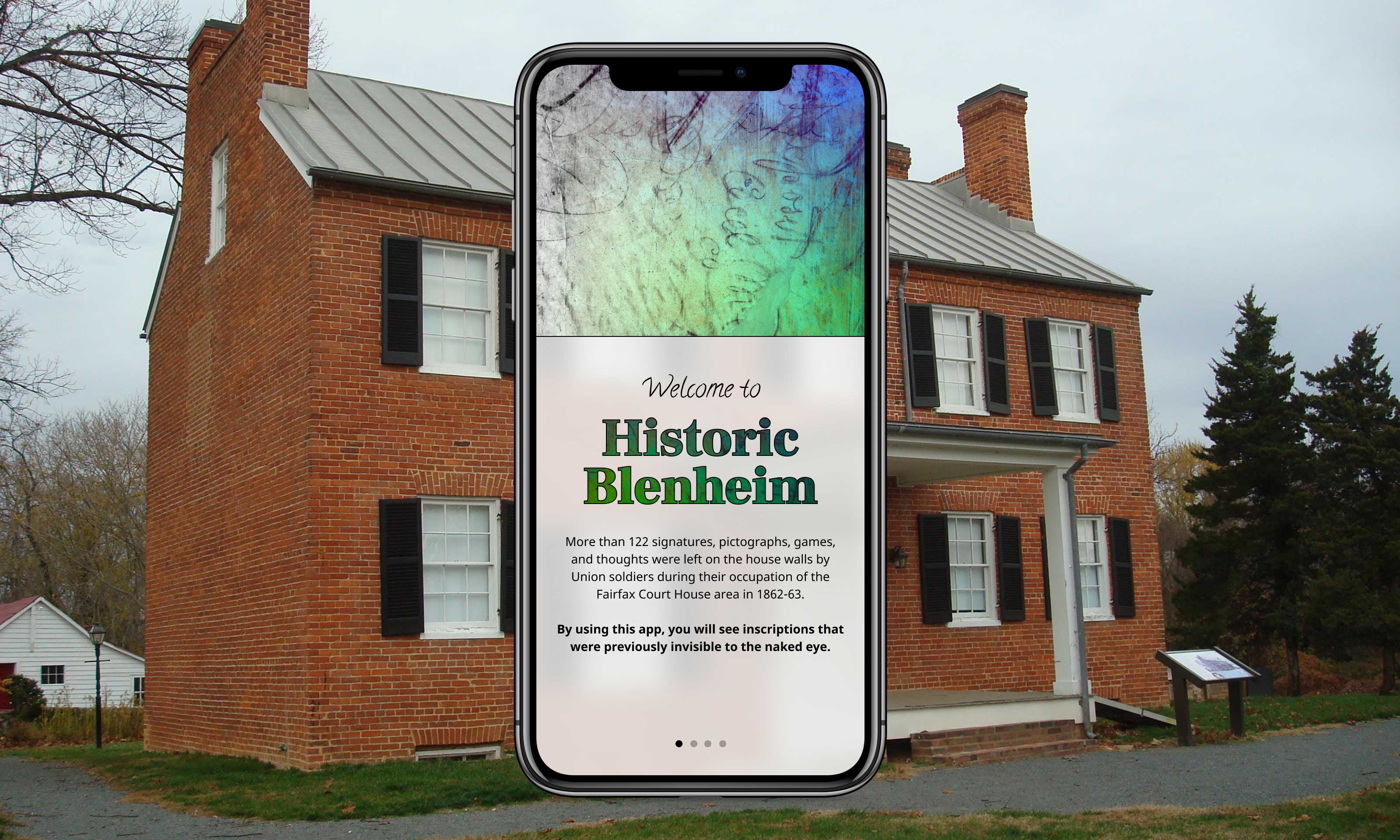
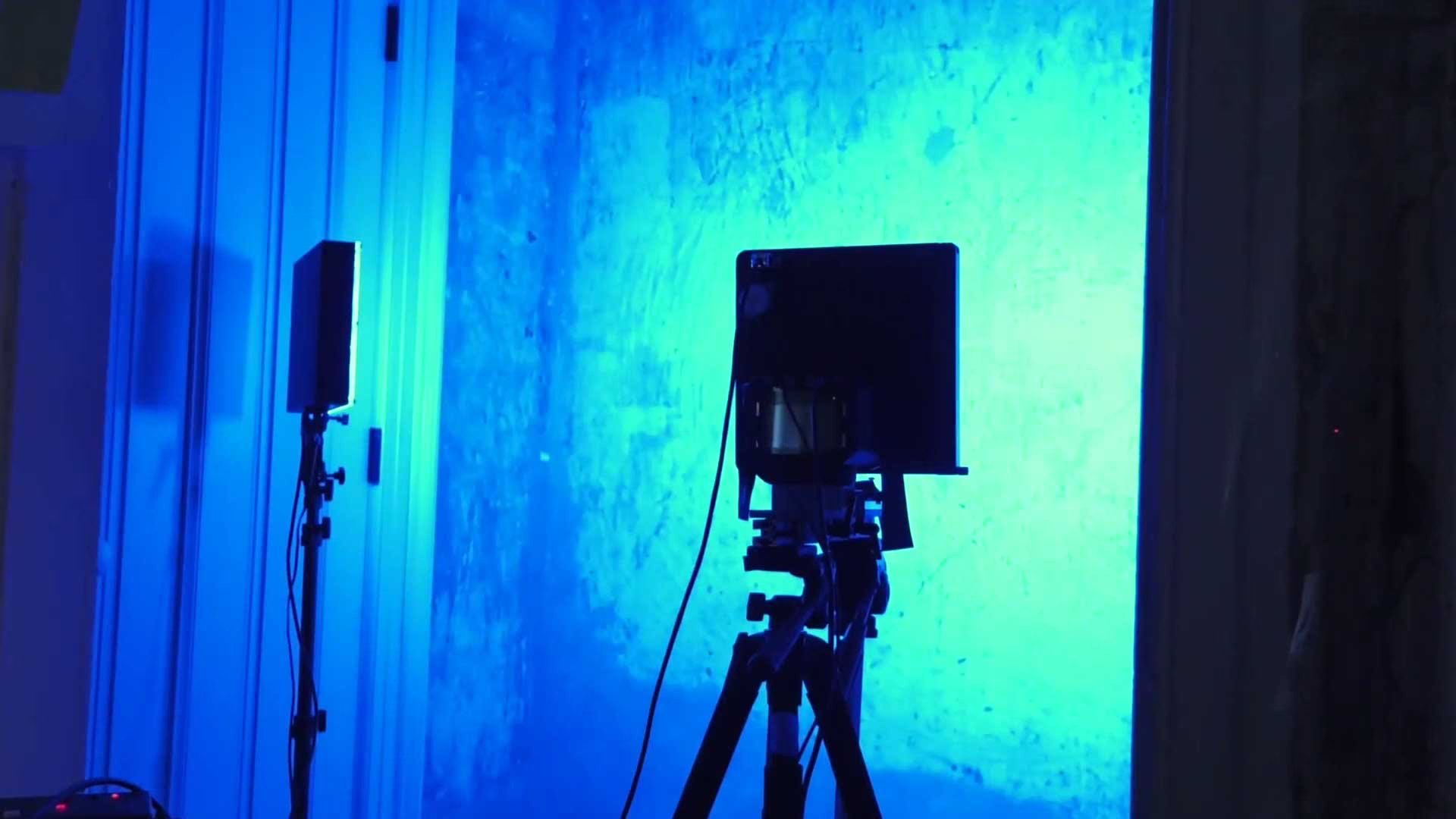
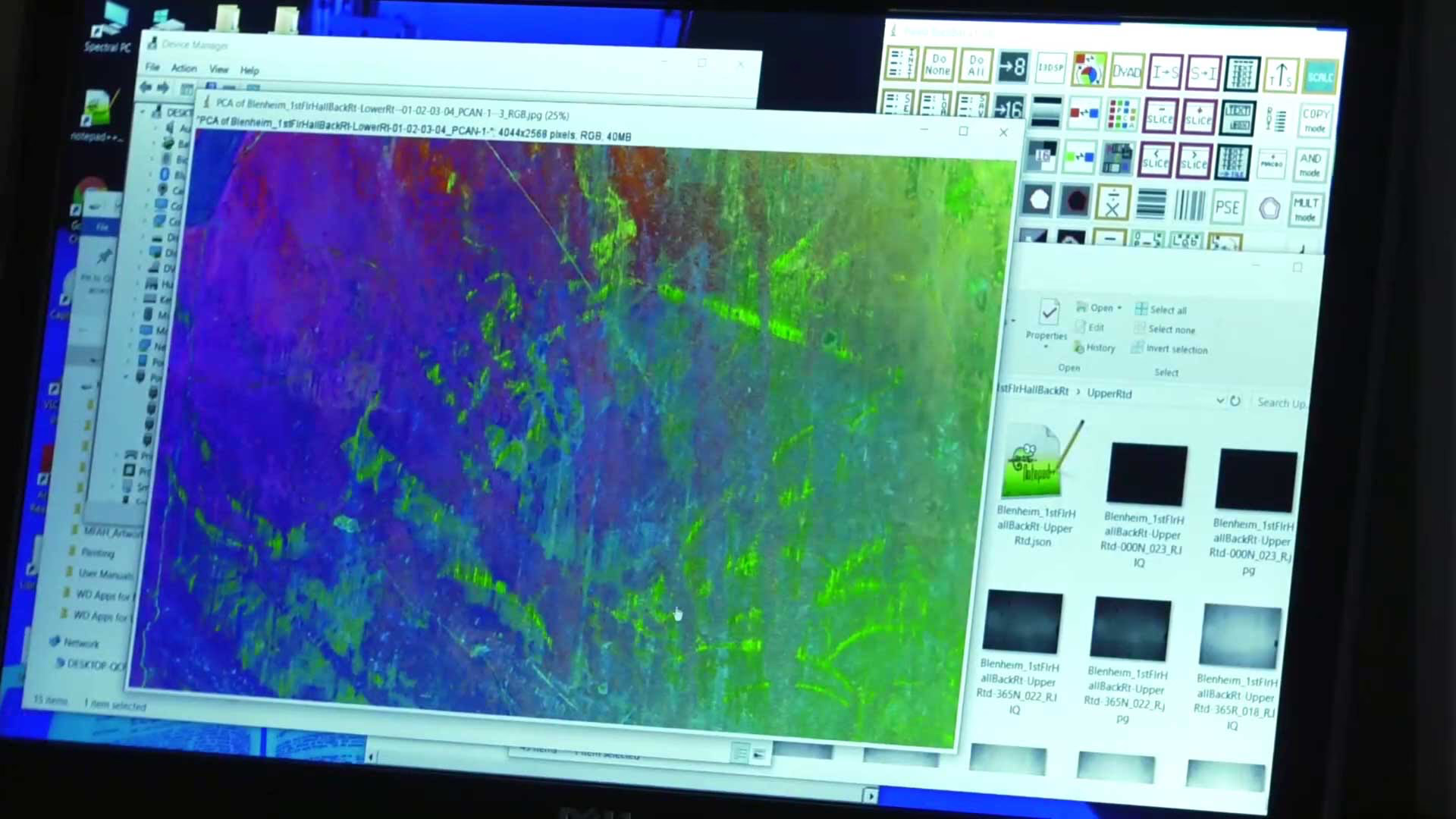
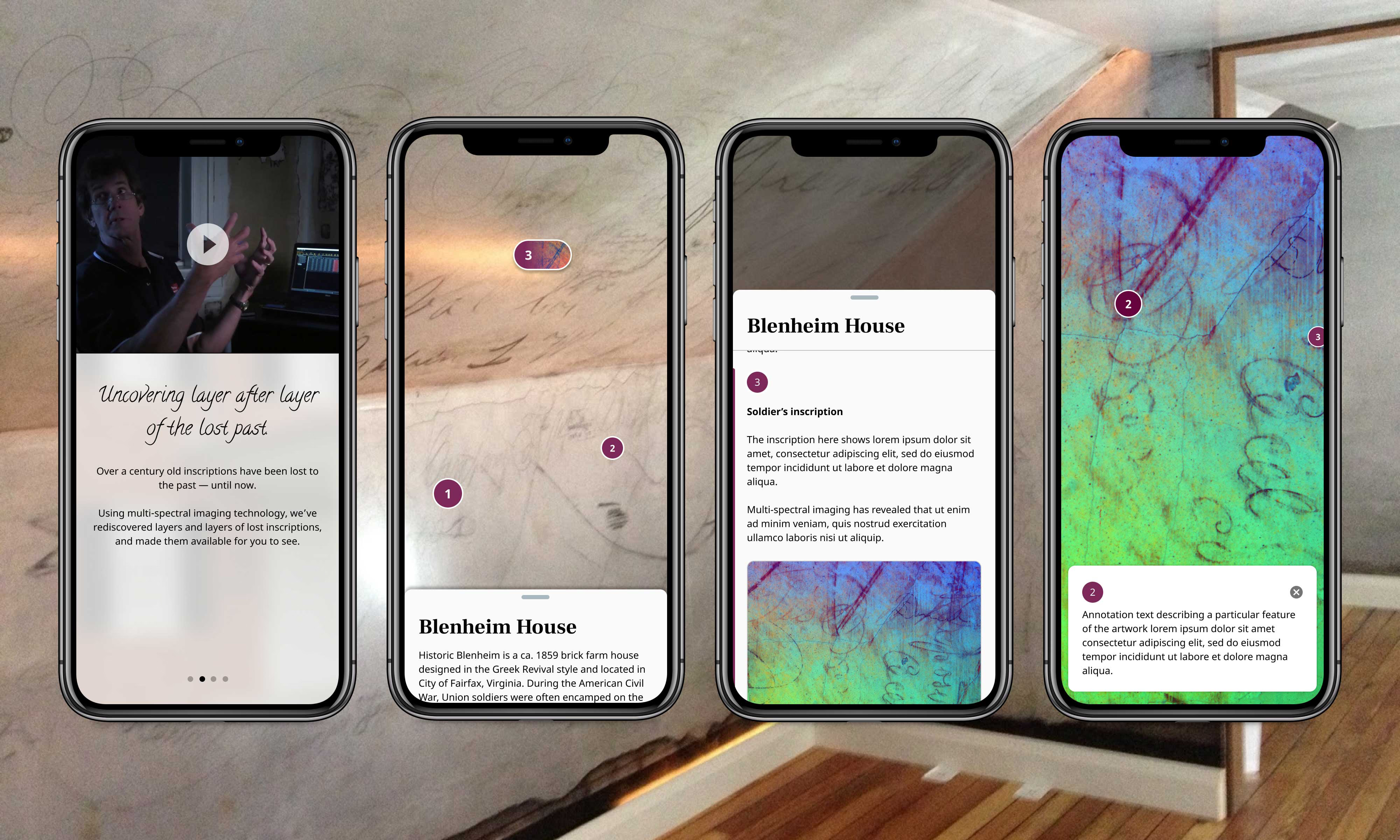
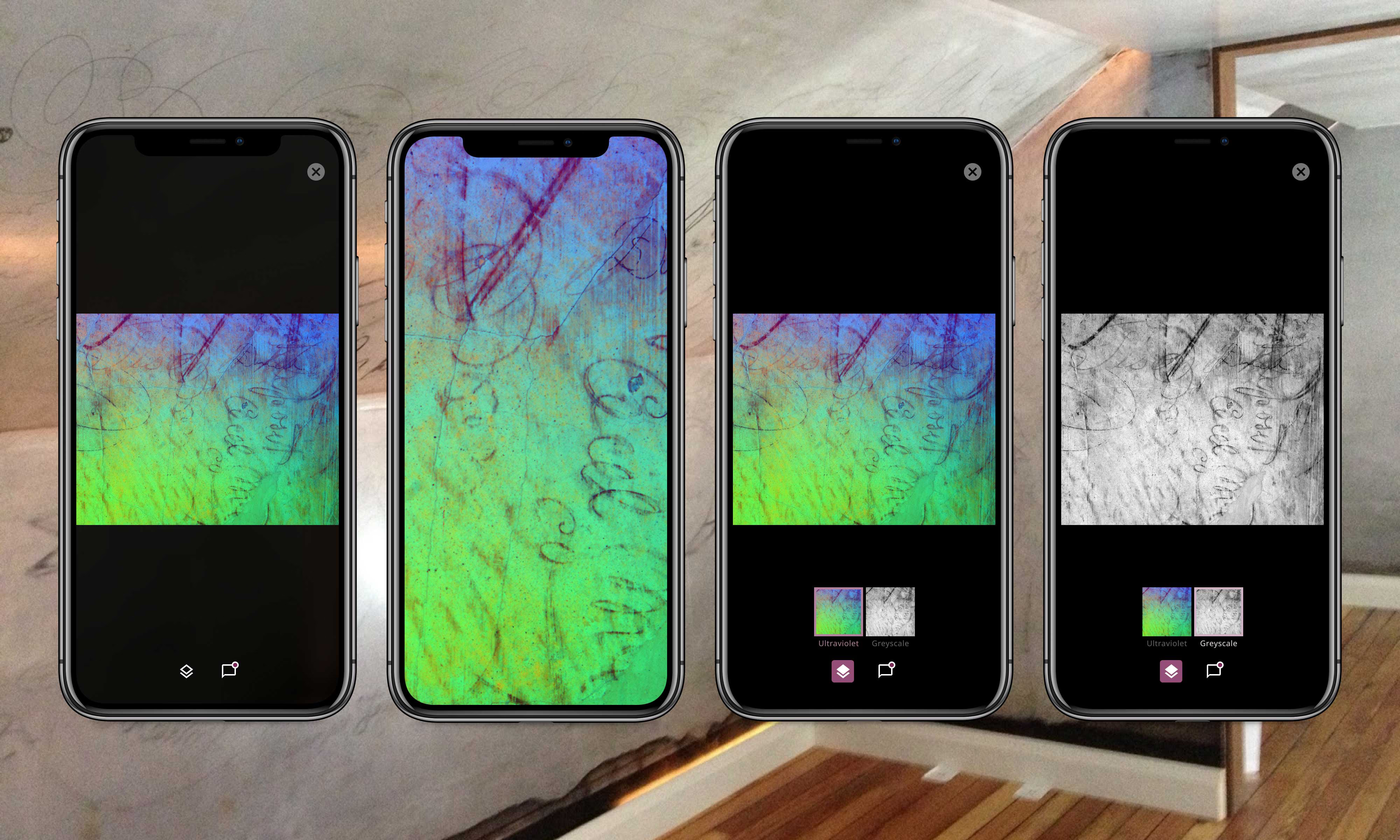
Historic Blenheim is a 19th century heritage site in Virginia used during the U.S. Civil War. Its interior holds century-old graffiti — some invisible to the naked eye until revealed by laser scanning. I designed an AR app concept that would let visitors use their phone as an x-ray device, revealing hidden inscriptions and telling the stories behind them. The conceptual mockups were completed in about a day and used to align stakeholders and estimate build costs.
Harvard Library AR
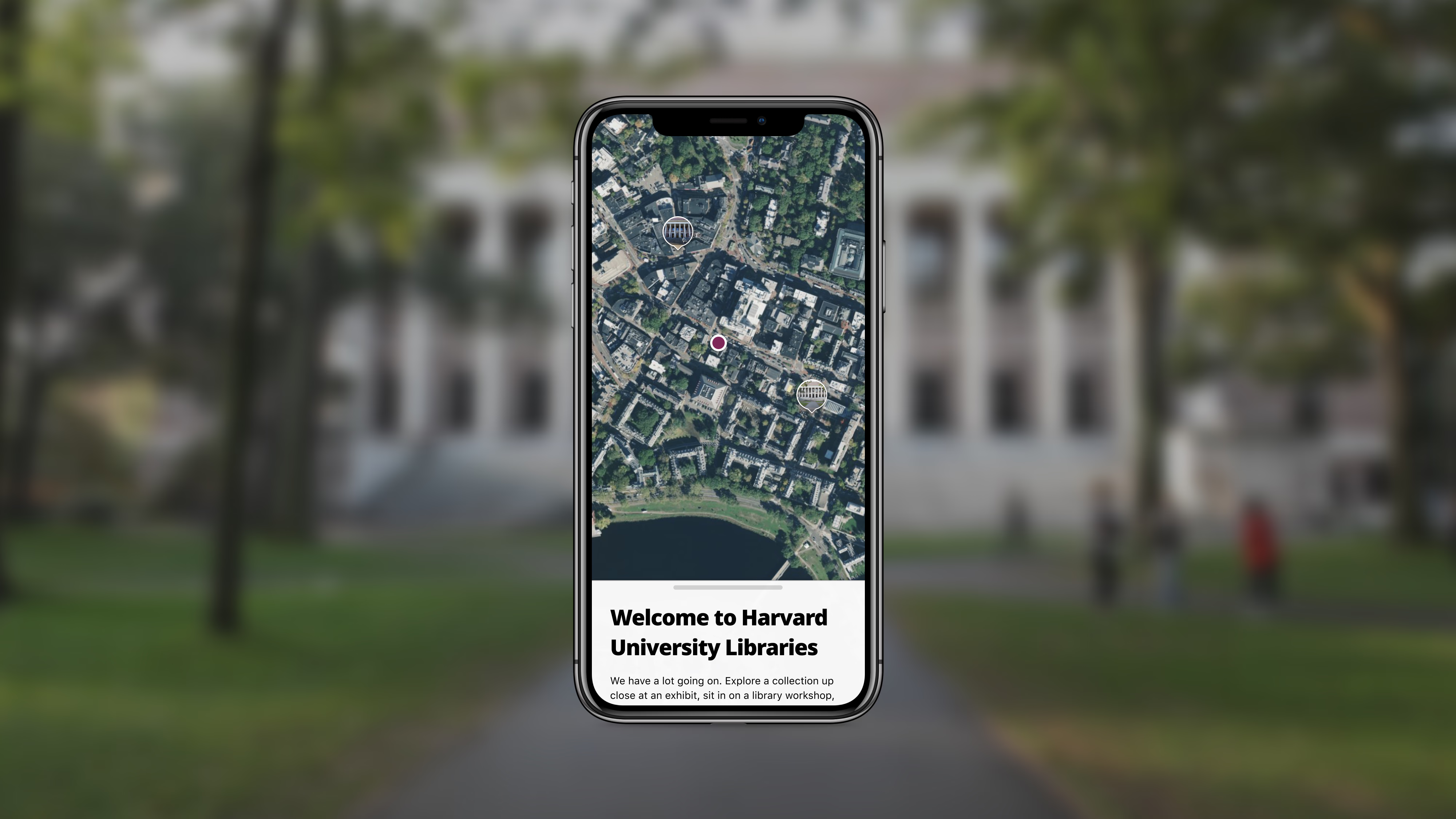
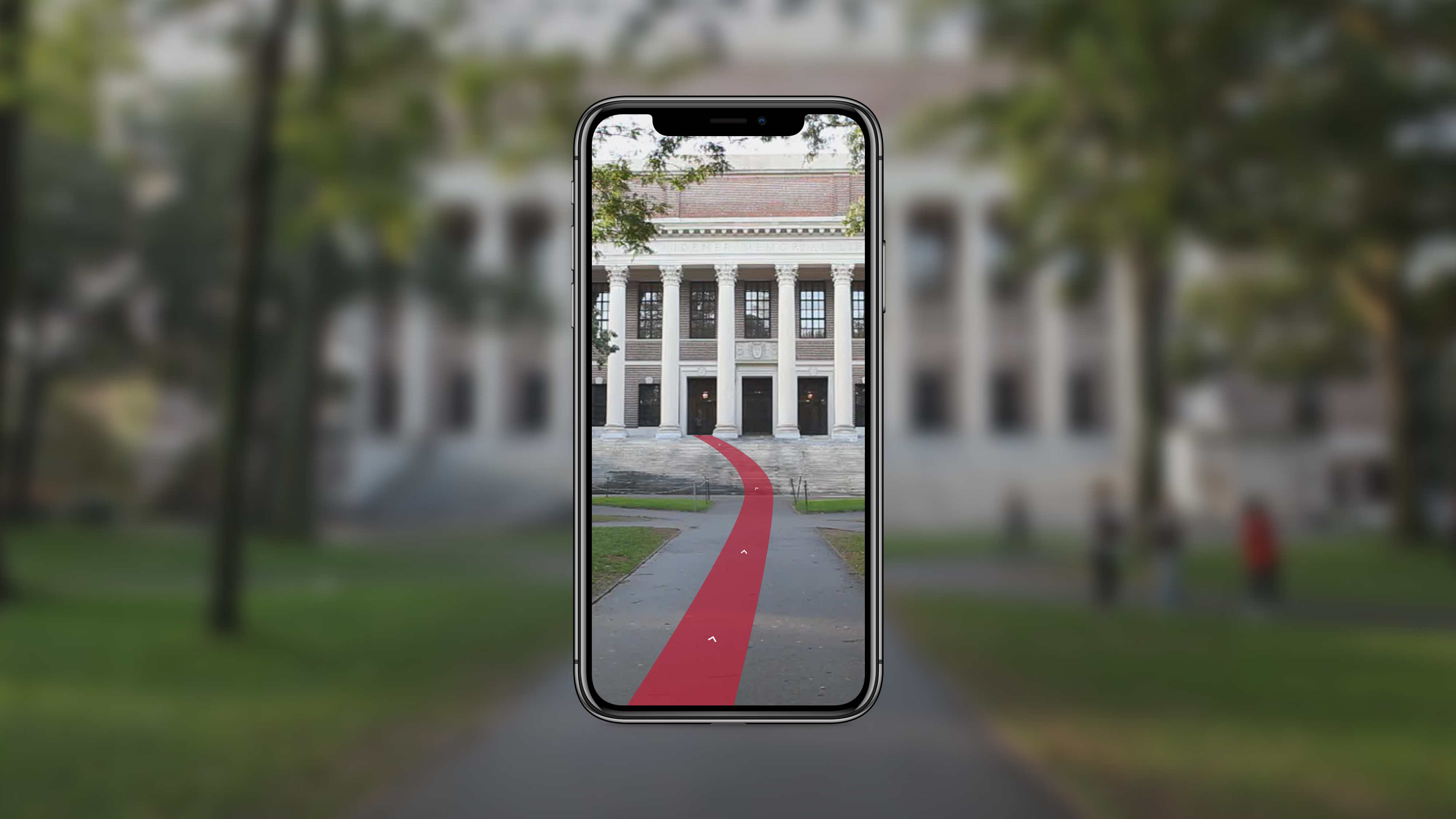
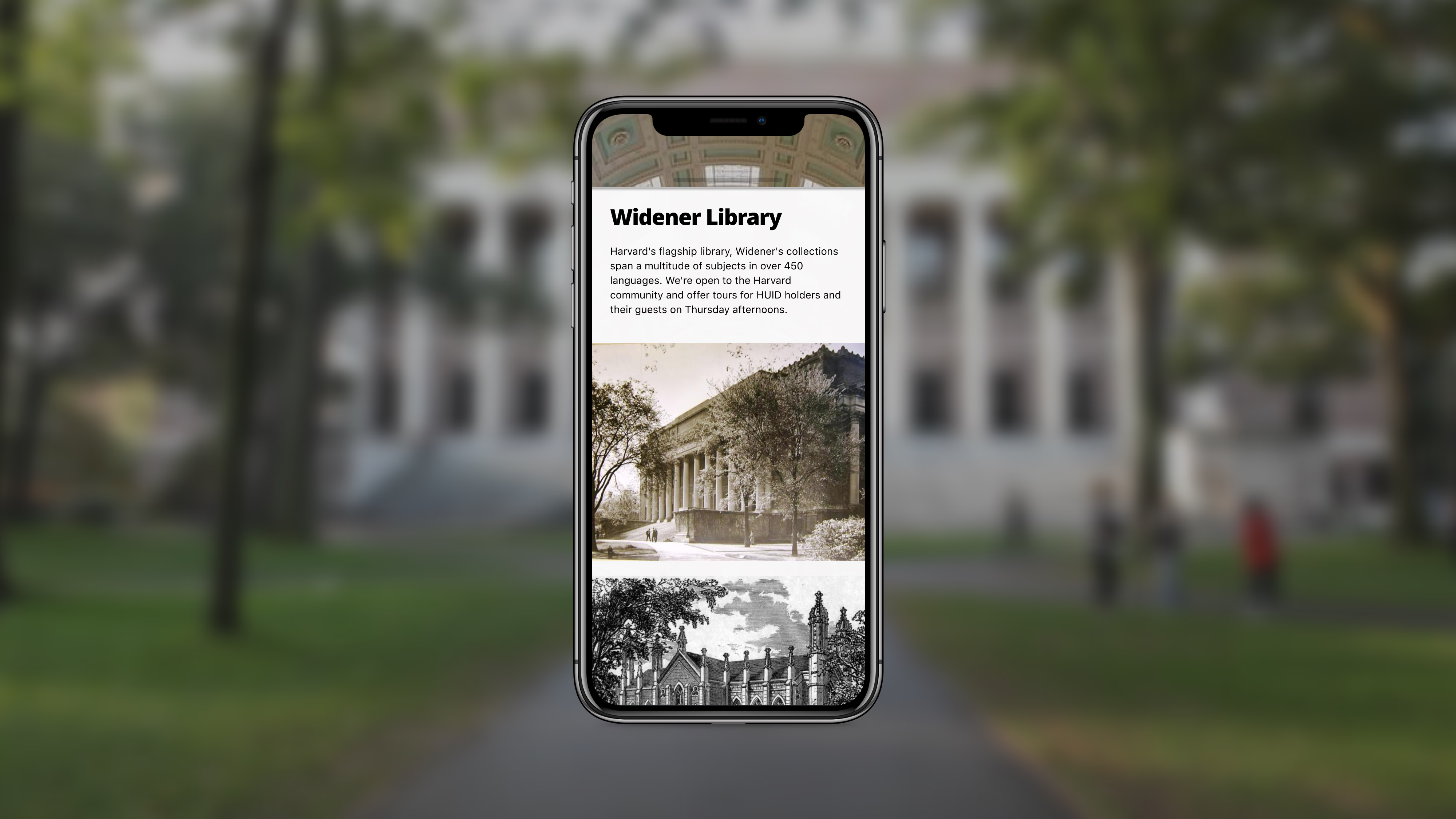
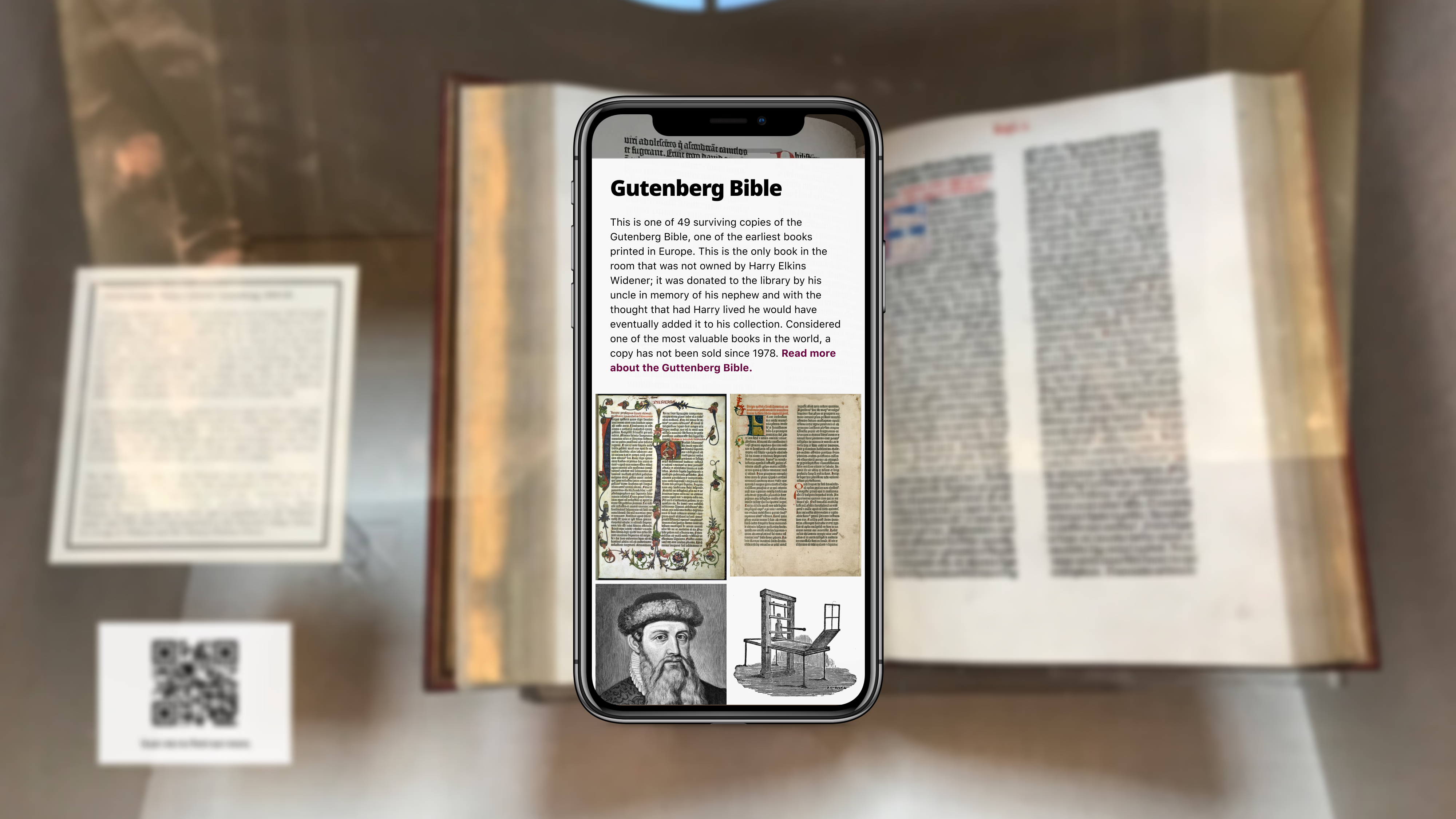
For Harvard University Libraries, I designed a mobile app combining interactive maps, AR wayfinding, and on-site discovery for campus libraries. Visitors could locate buildings on a satellite map, switch to AR mode for guided walking directions, and explore rich content about collections and exhibits once inside. The design had to serve both Harvard community members navigating between libraries and first-time visitors exploring the campus.
New Alexandria
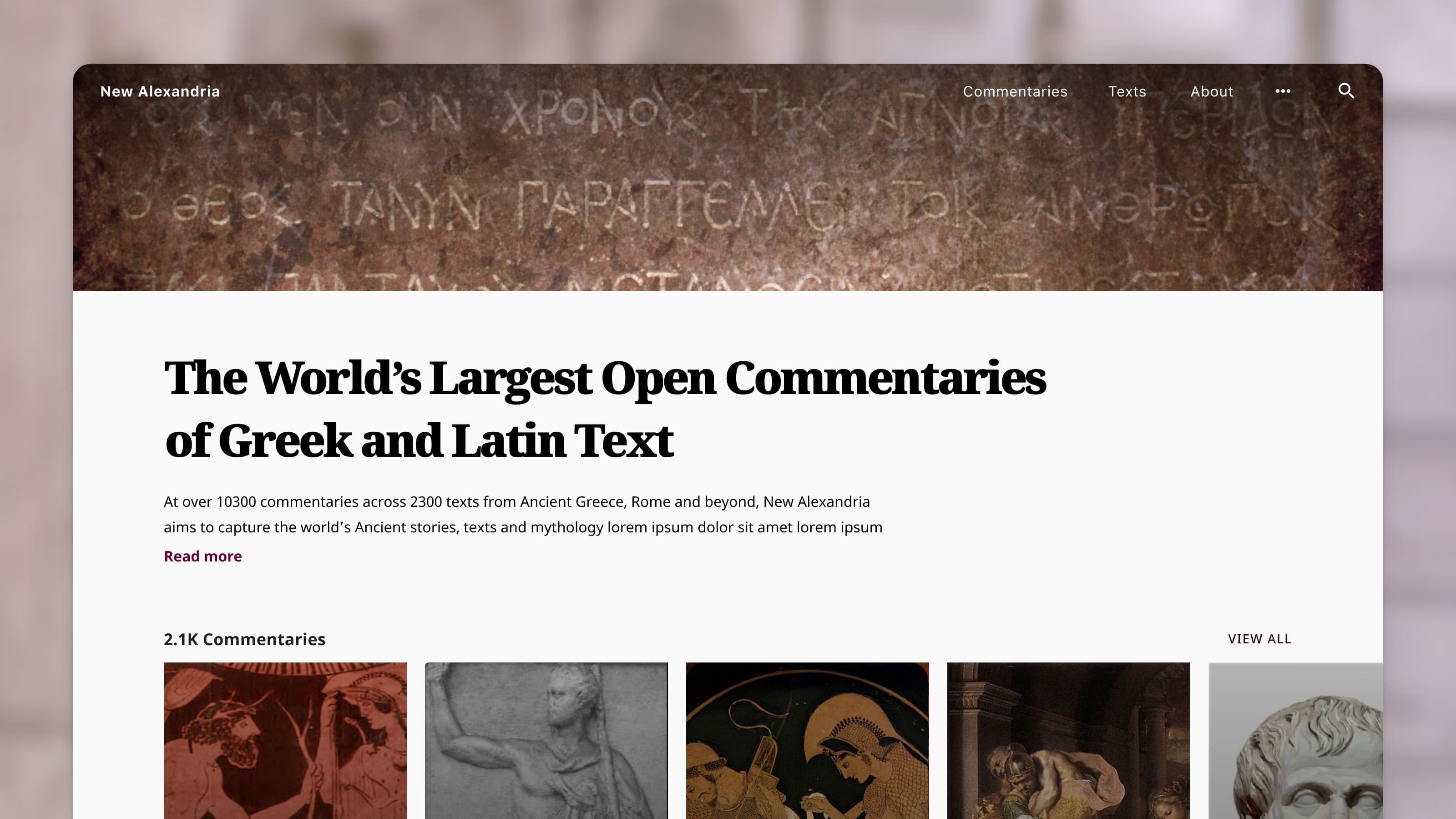
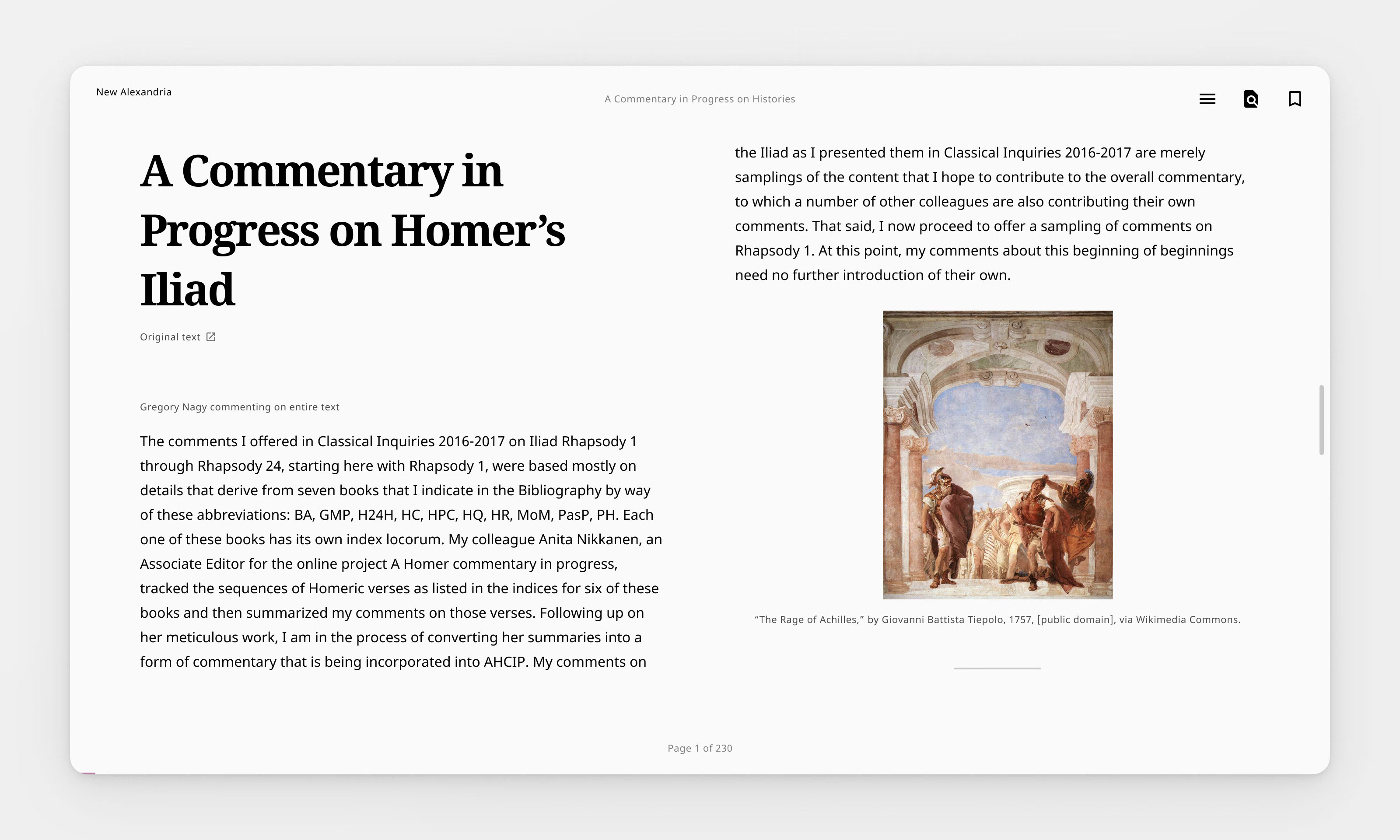
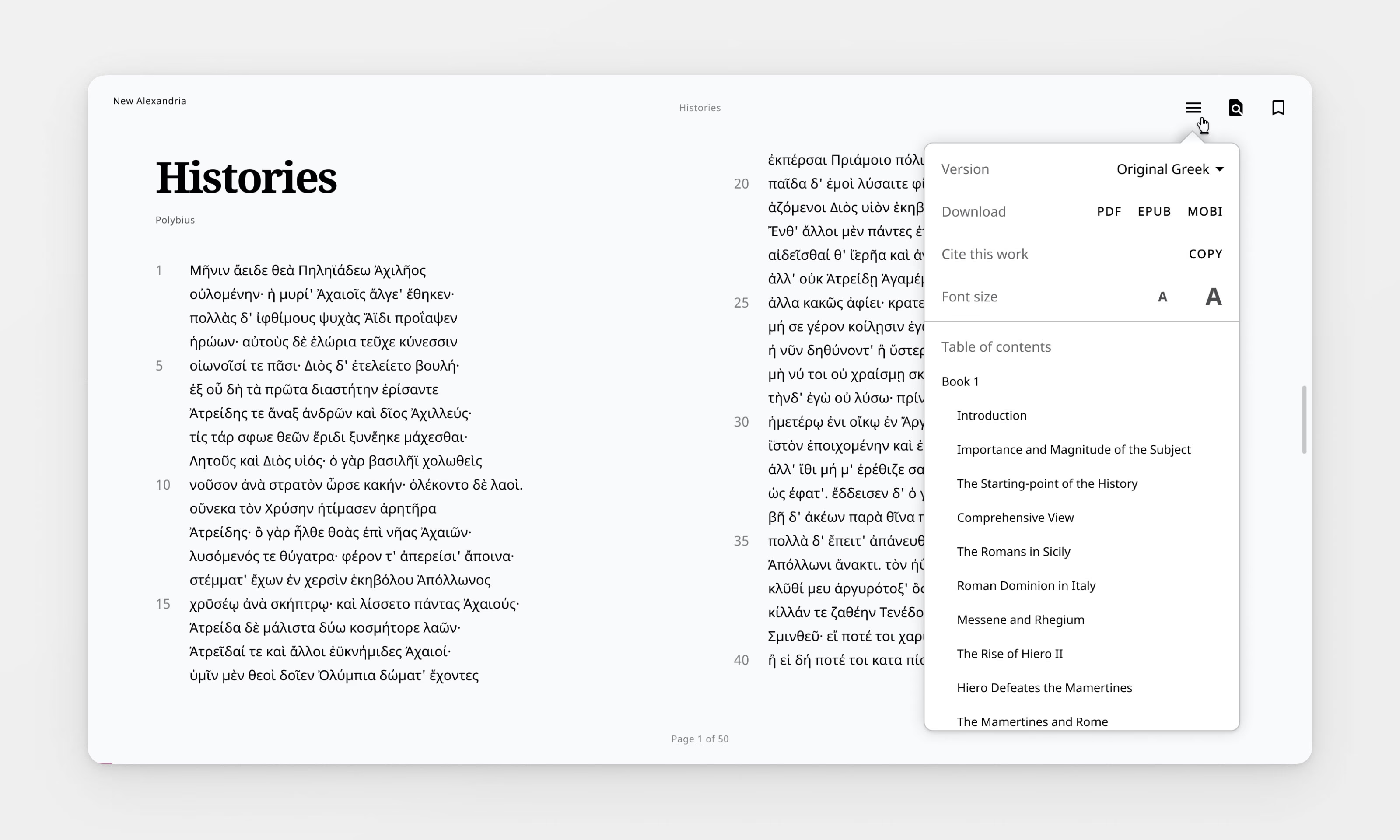
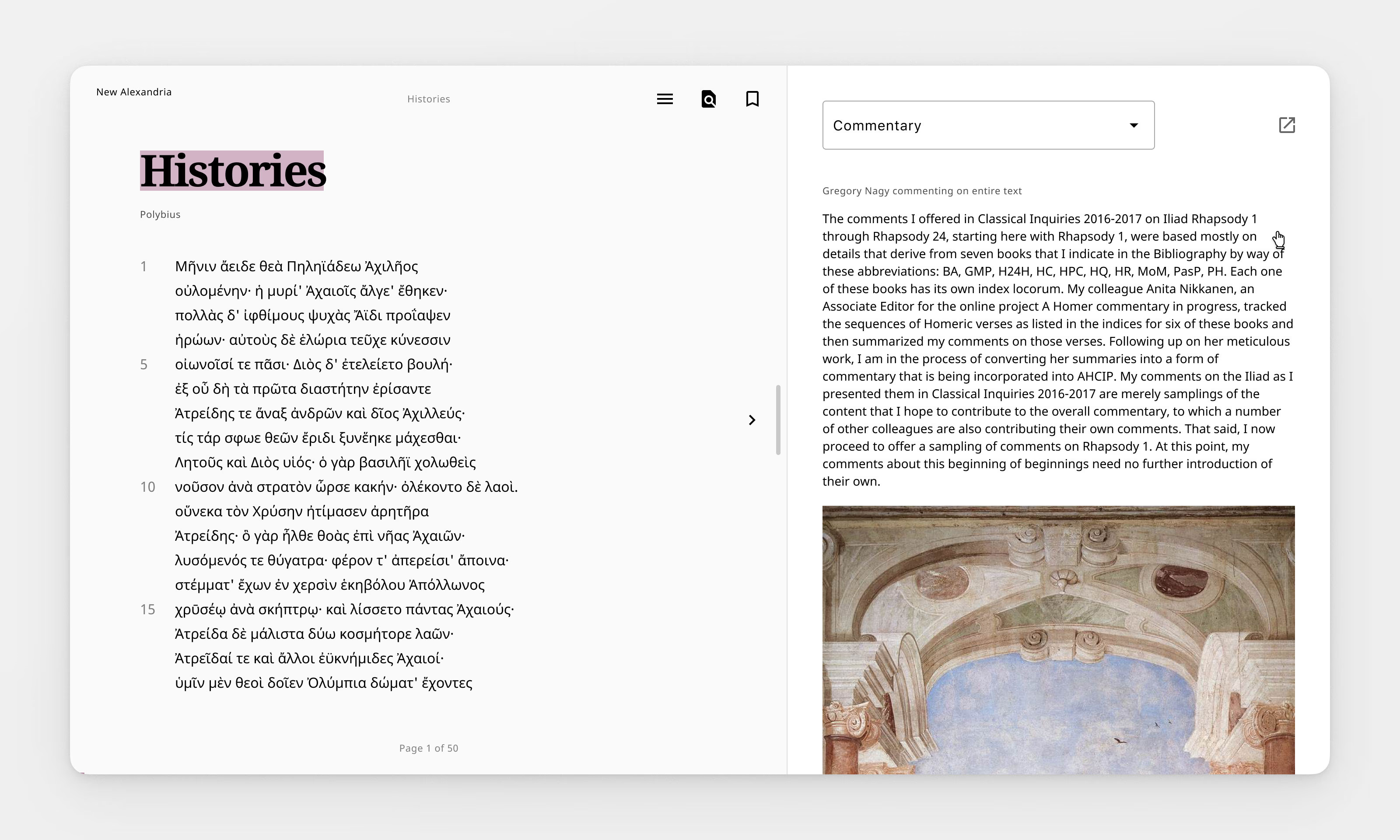
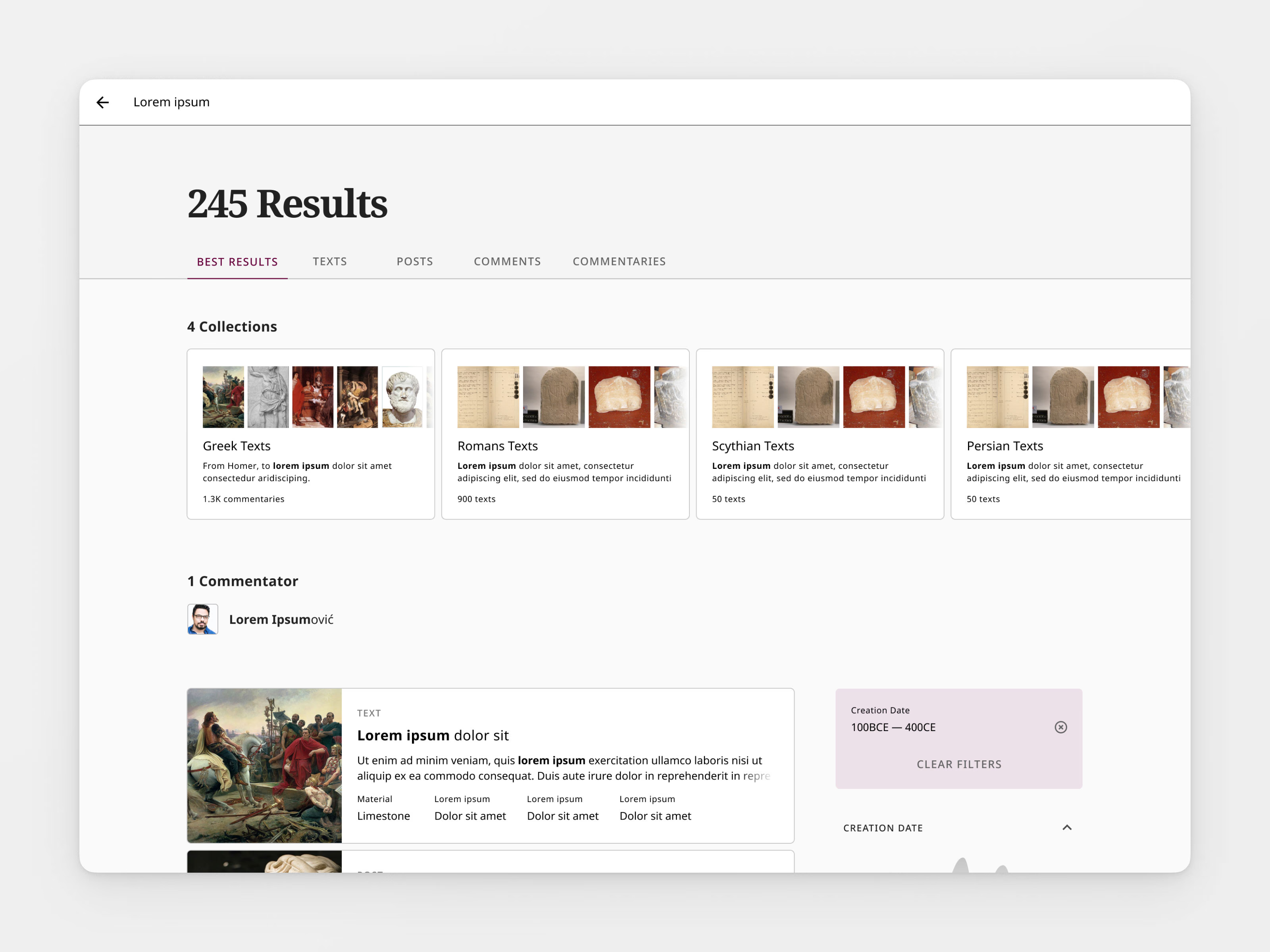
In collaboration with the Center for Hellenic Studies at Harvard University, I designed a platform for academic commentaries on ancient texts — a sort of Stack Overflow for humanities scholarship. Professors spend years writing commentary books translating and interpreting millennia-old texts, but traditional publishing is slow, costly, and accessible to few. New Alexandria aimed to make commentaries open, peer-reviewed, and accessible to everyone. I designed a split-view reading experience, multi-language support for Latin, Greek, and Arabic scripts, and an invite-only publishing model to cultivate quality before opening access.
Outcome
The Giza prototype secured subsequent projects including the Zhejiang University Museum AR app and the Parthenon concept. The Harvard Library AR app extended the wayfinding patterns we'd developed into Harvard's own campus. The 3D scan of Meresankh III's tomb was featured in The Guardian and remains publicly accessible via Matterport.