Nametag
Designed the product from scratch, helping secure a $2M seed round and 60K users.
“Damir is a brilliant designer who met every deadline with ease. If you need a top 1% product designer, I highly recommend him.”

Product Design
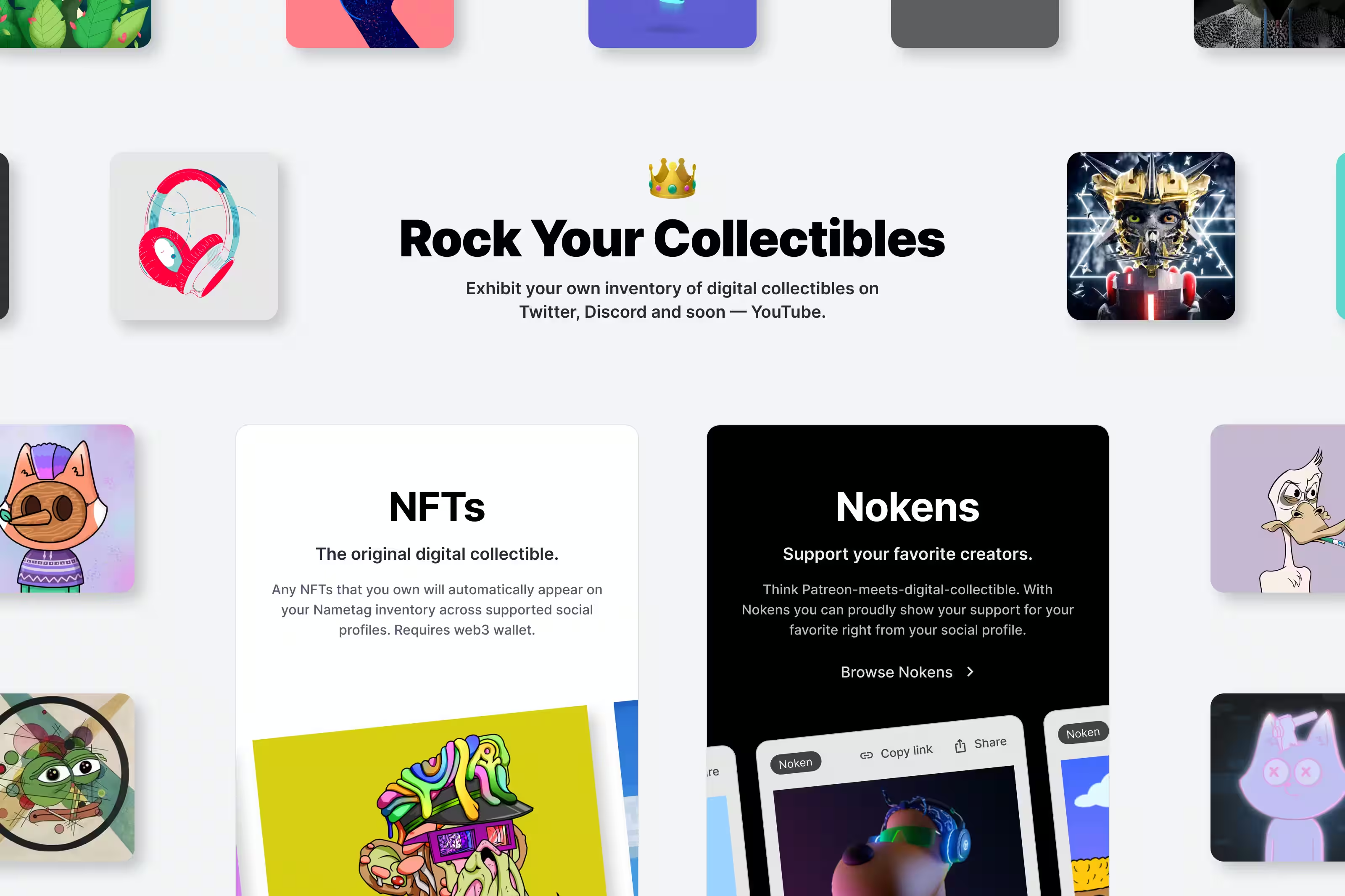
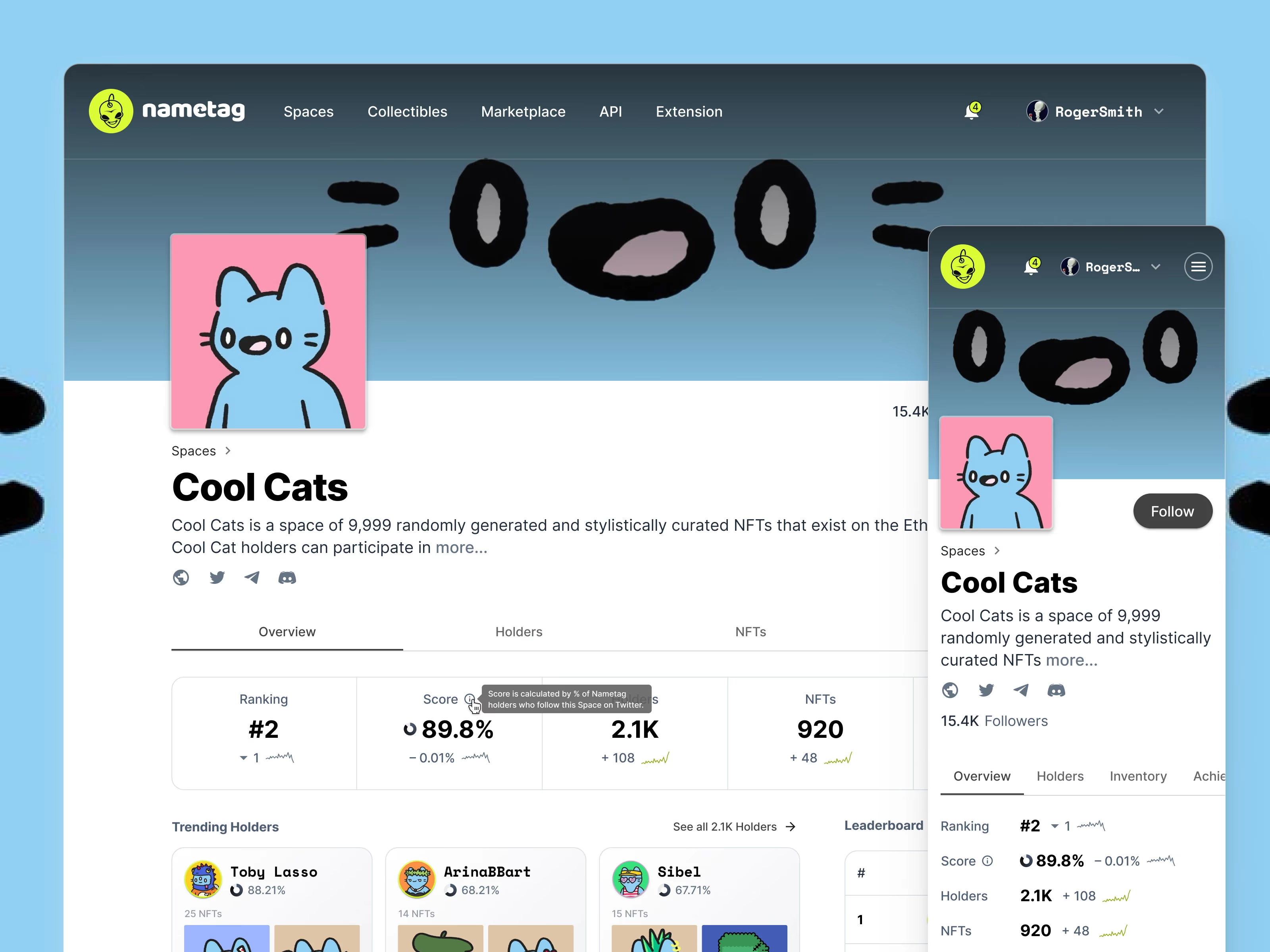
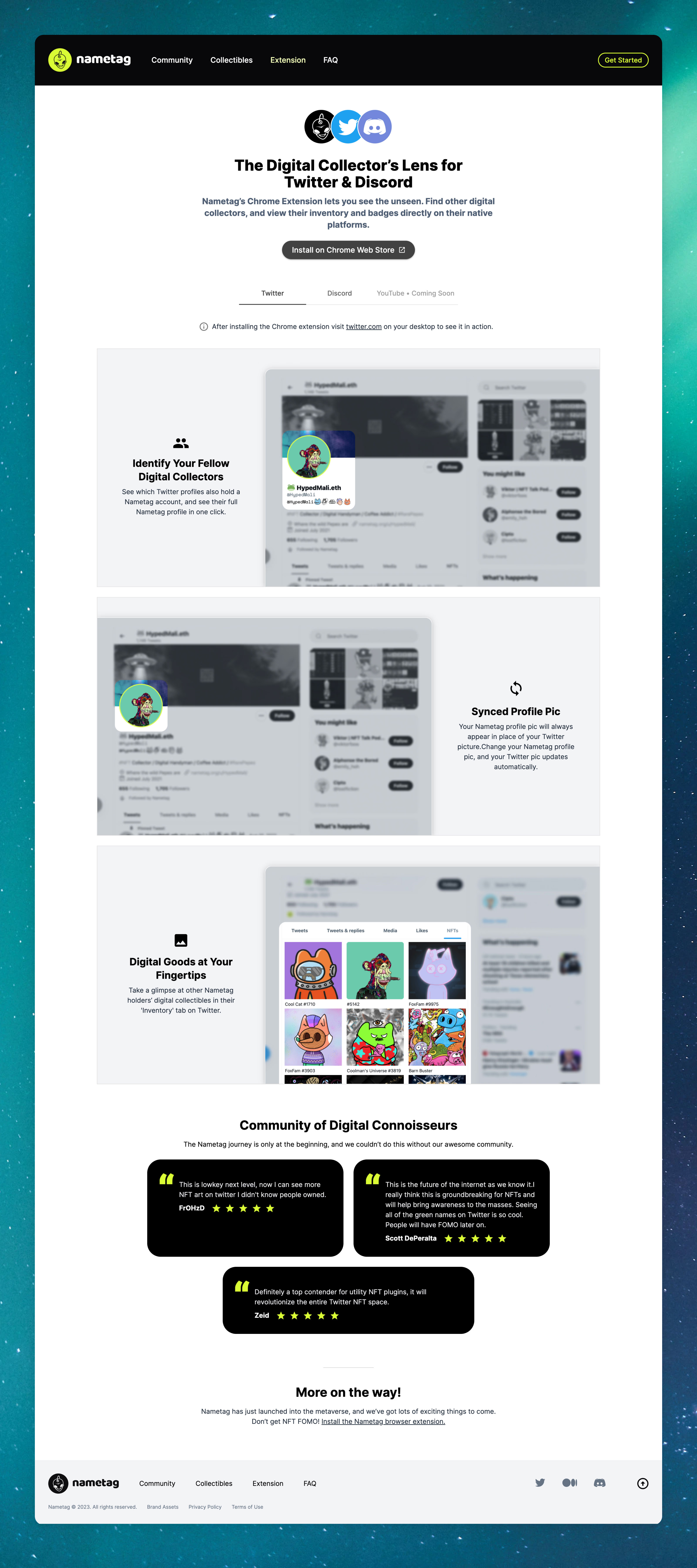
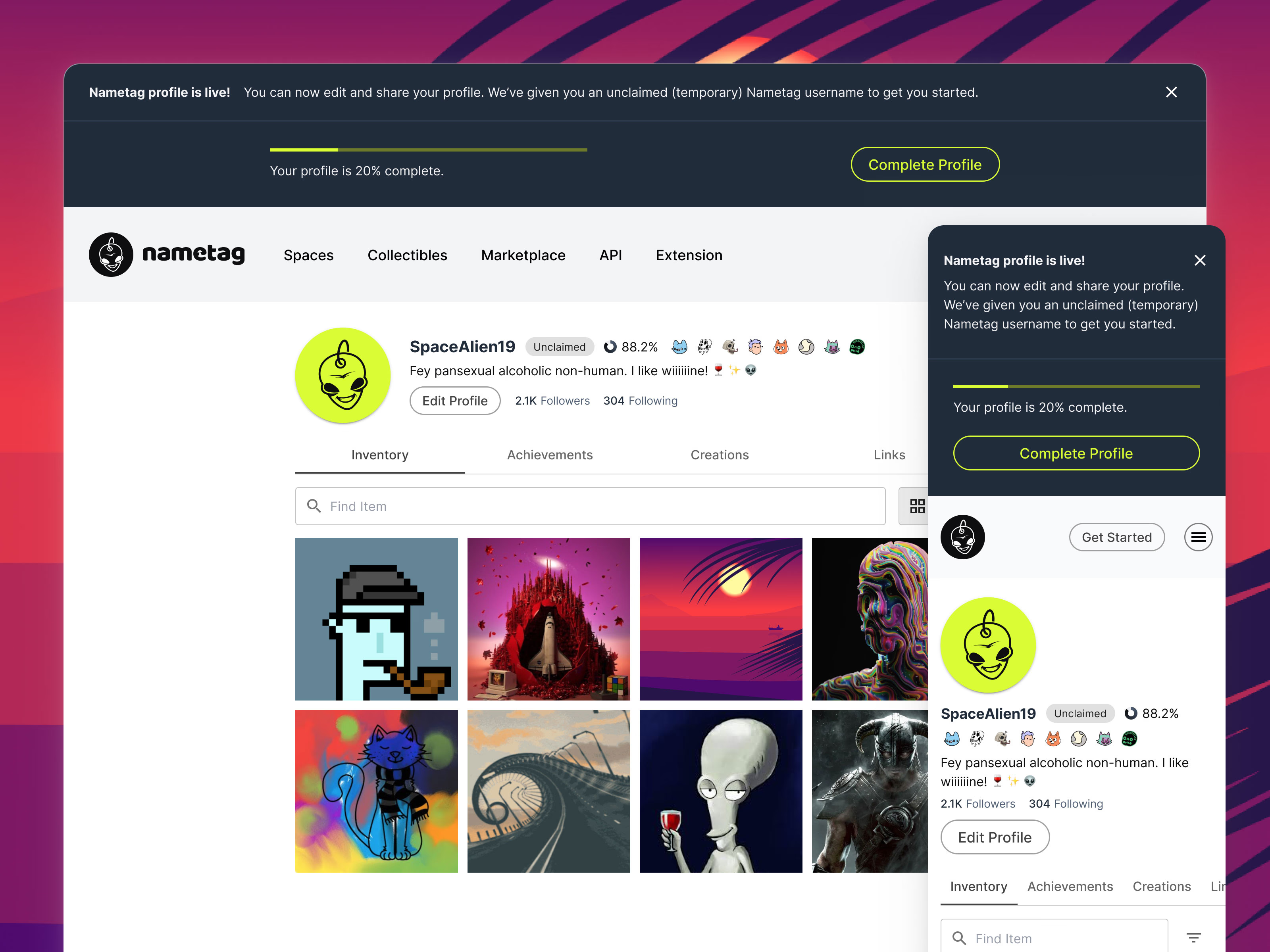
Nametag adds a web3 layer on top of Twitter and Discord, letting users showcase their digital collections directly on their social media profiles. I joined when the product was an early alpha prototype and led the design through to a fully shipped product with 60,000 users and a 4.9-star rating on the Chrome Web Store.
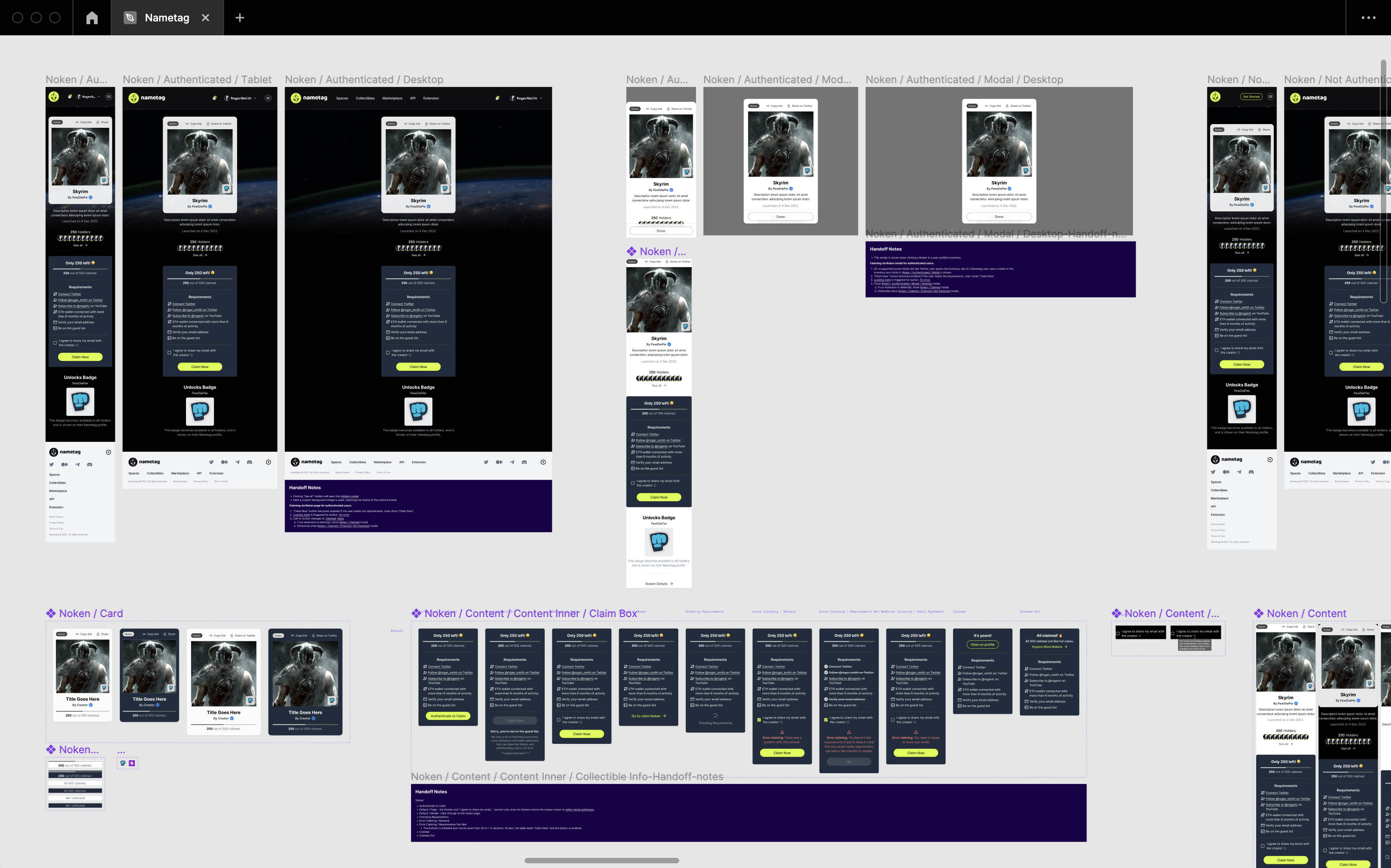
Component Architecture
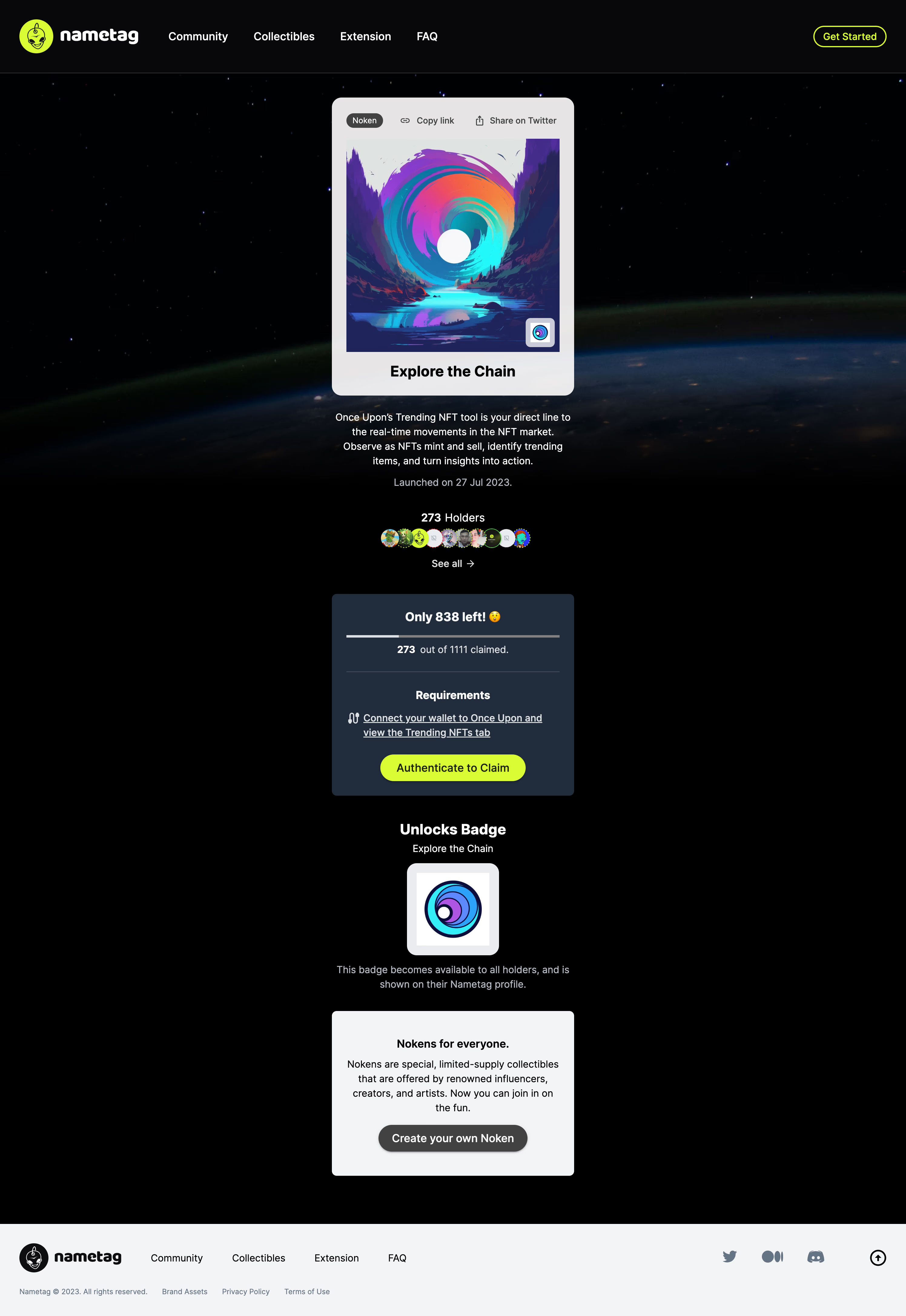
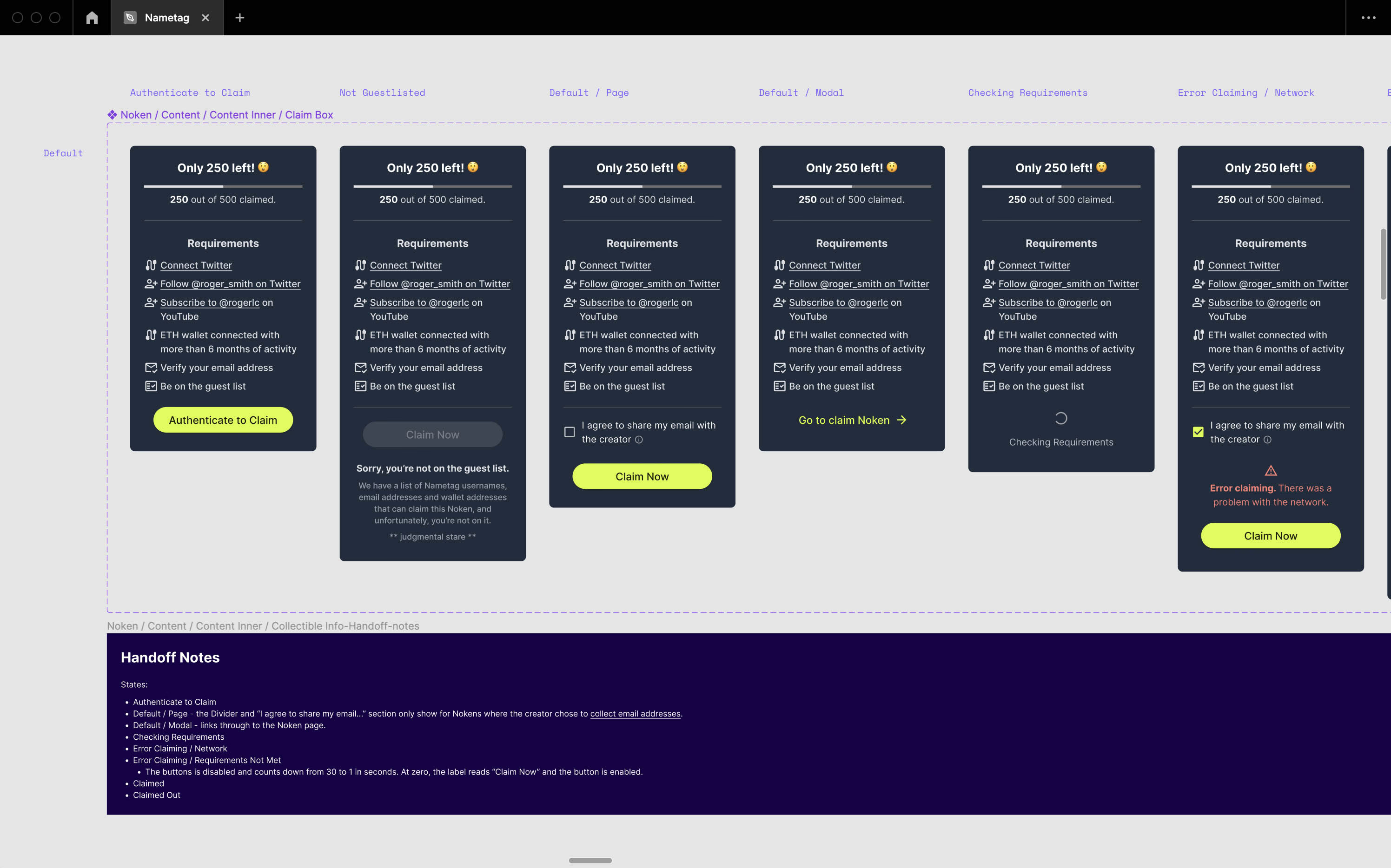
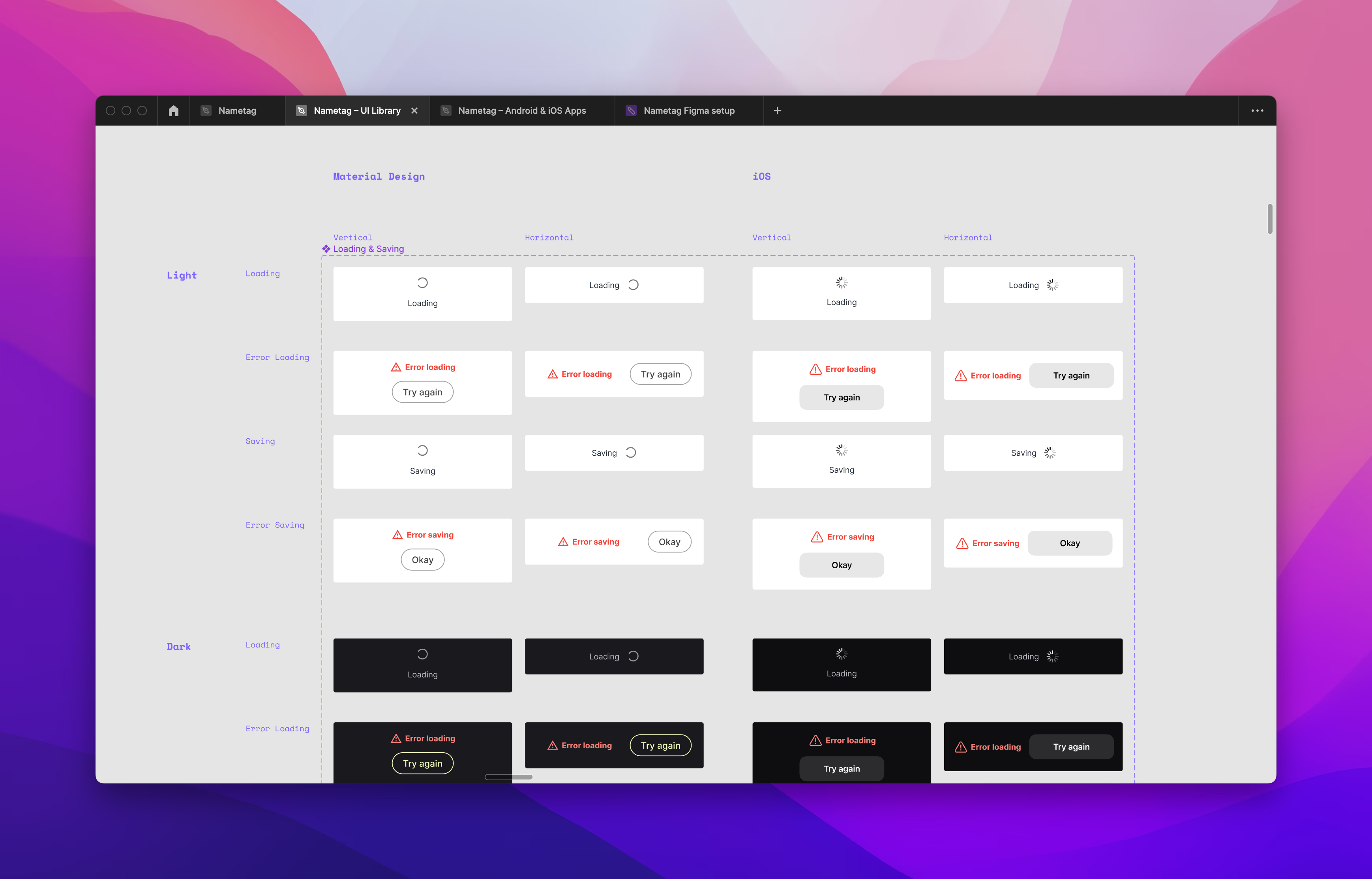
Every component was specced with exhaustive state coverage so developers never had to guess at edge cases. The Claim Box alone — a deceptively simple-looking component — required dozens of state variations: loading, claimed, expired, sold out, wallet connected, wallet disconnected, and more. This level of rigour meant fewer bugs, faster implementation, and a product that handled real-world complexity gracefully.
Onboarding & Auth
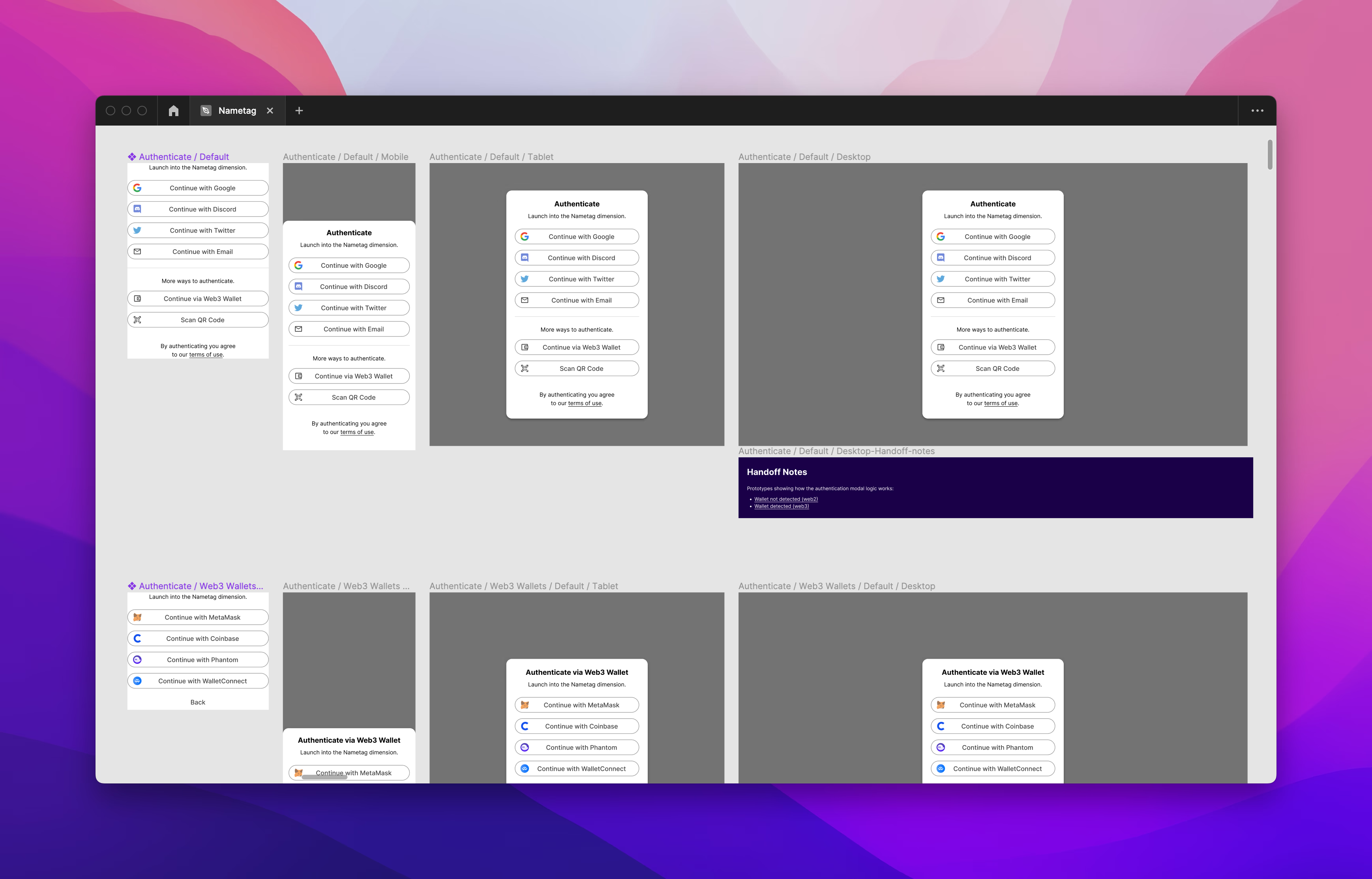
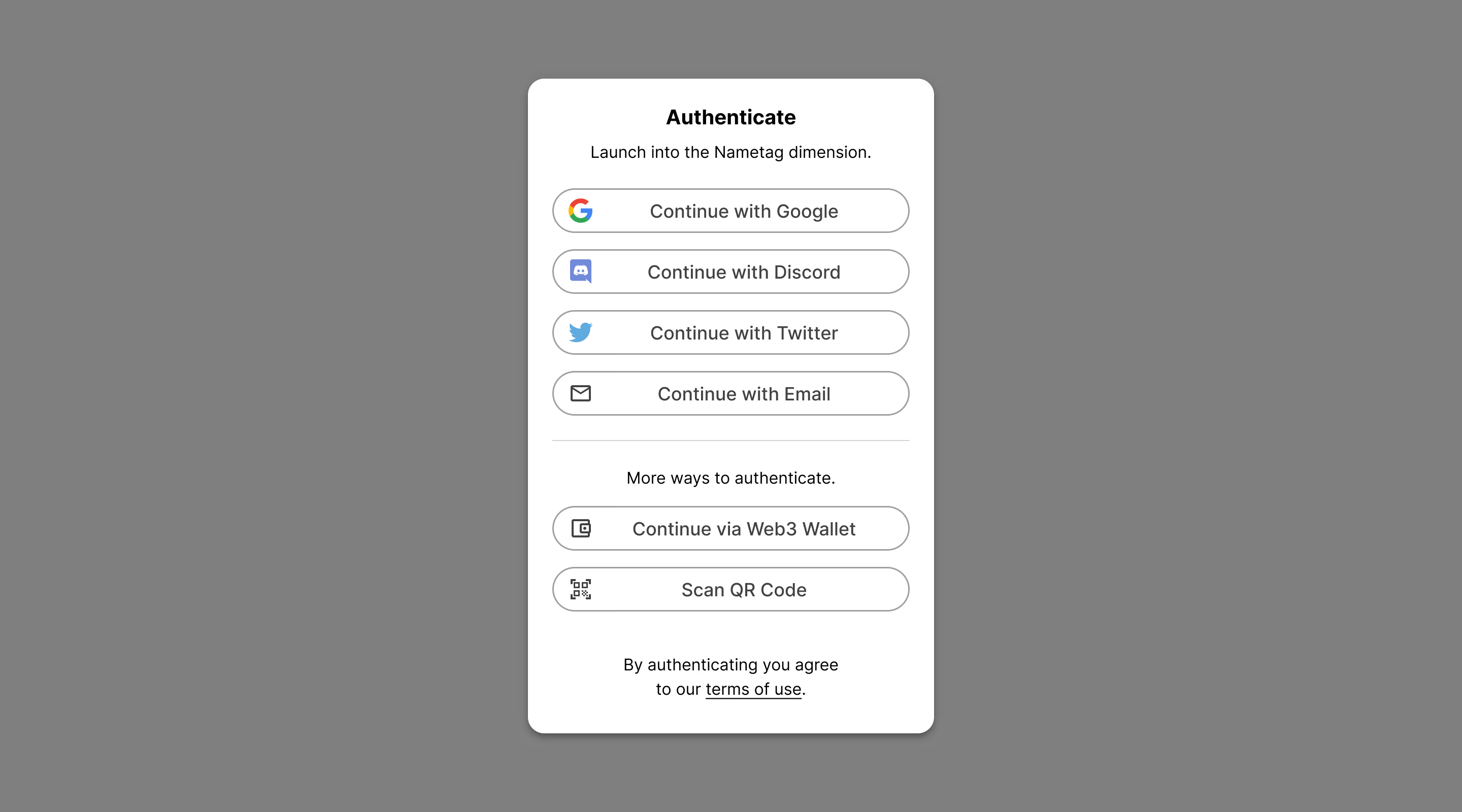
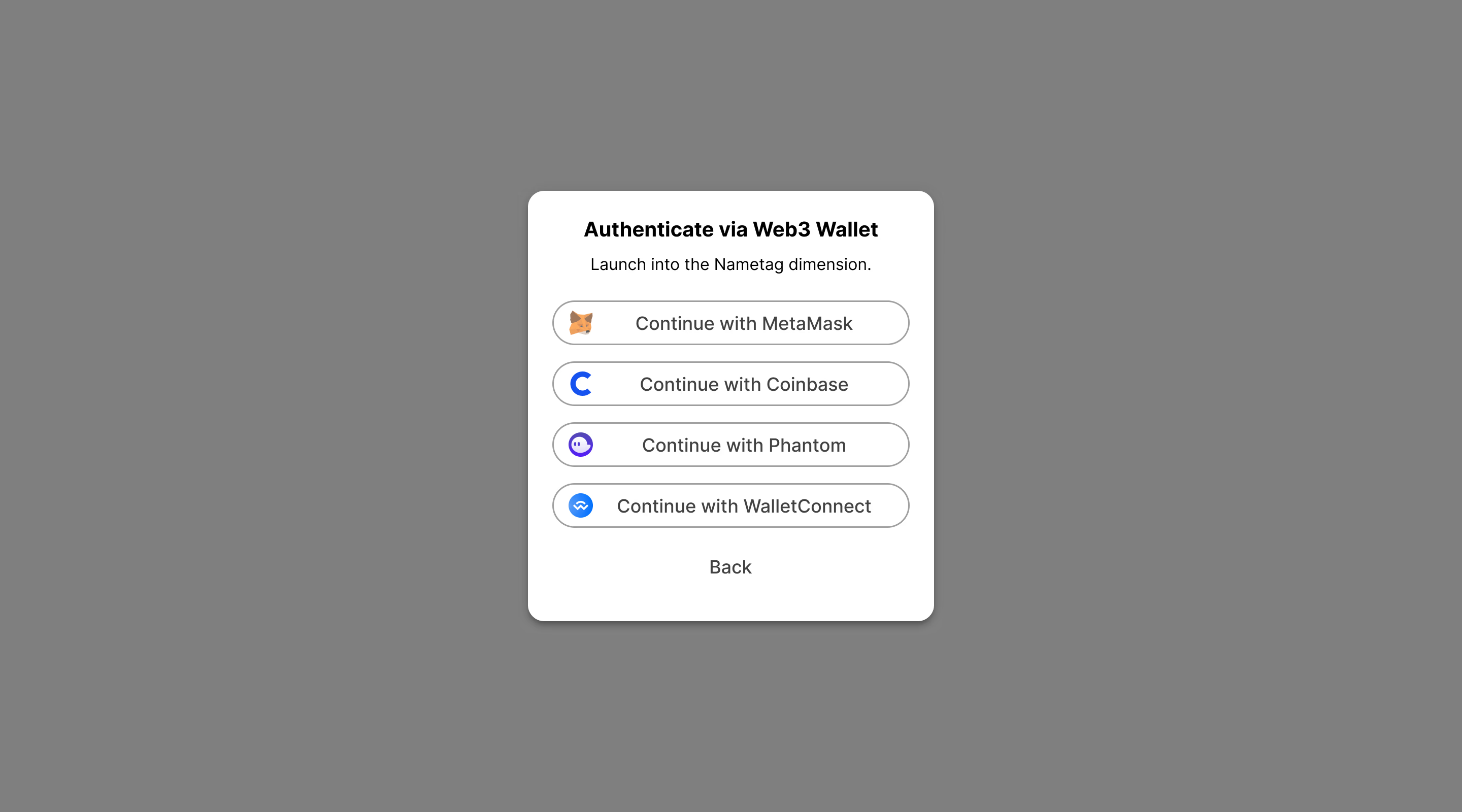
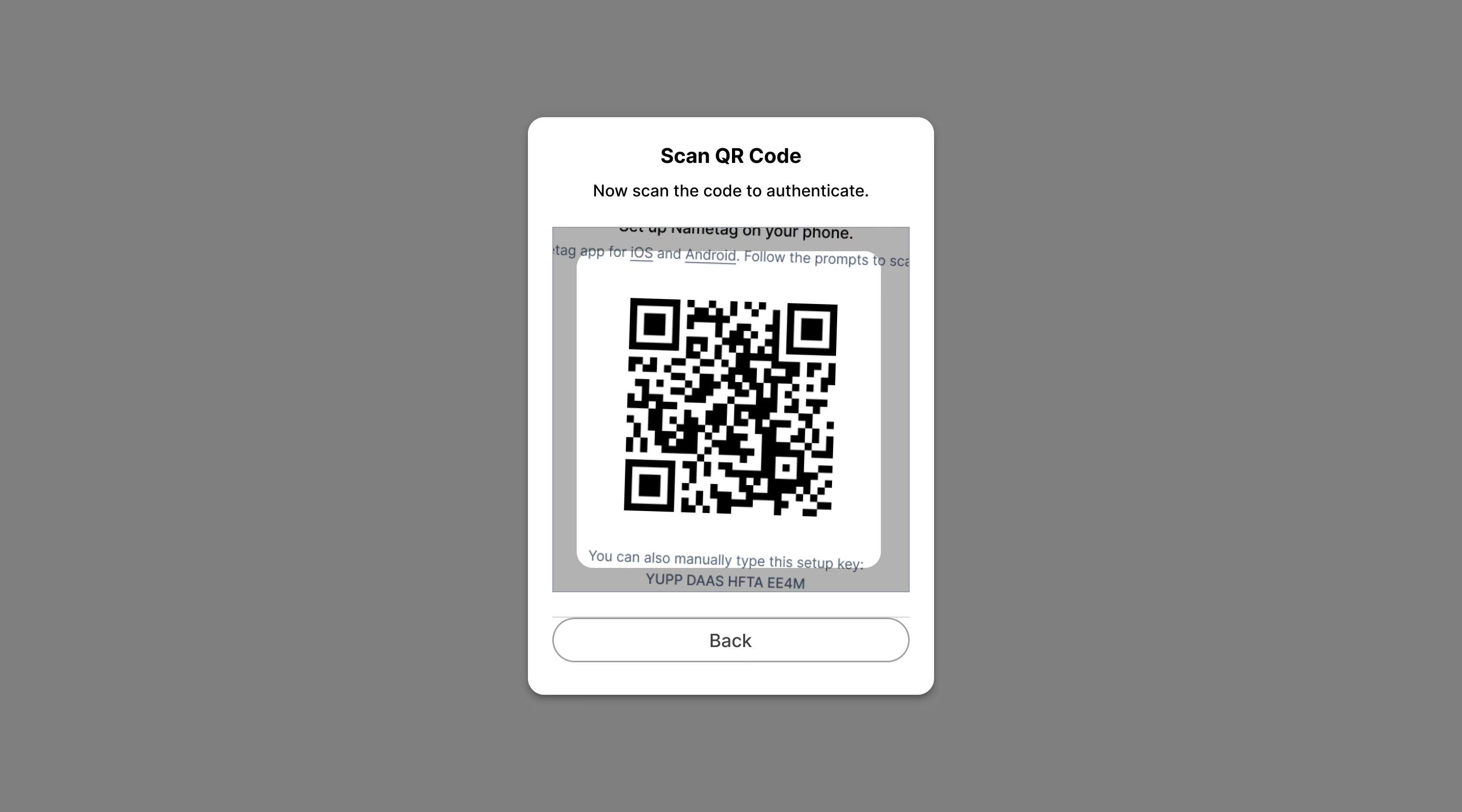
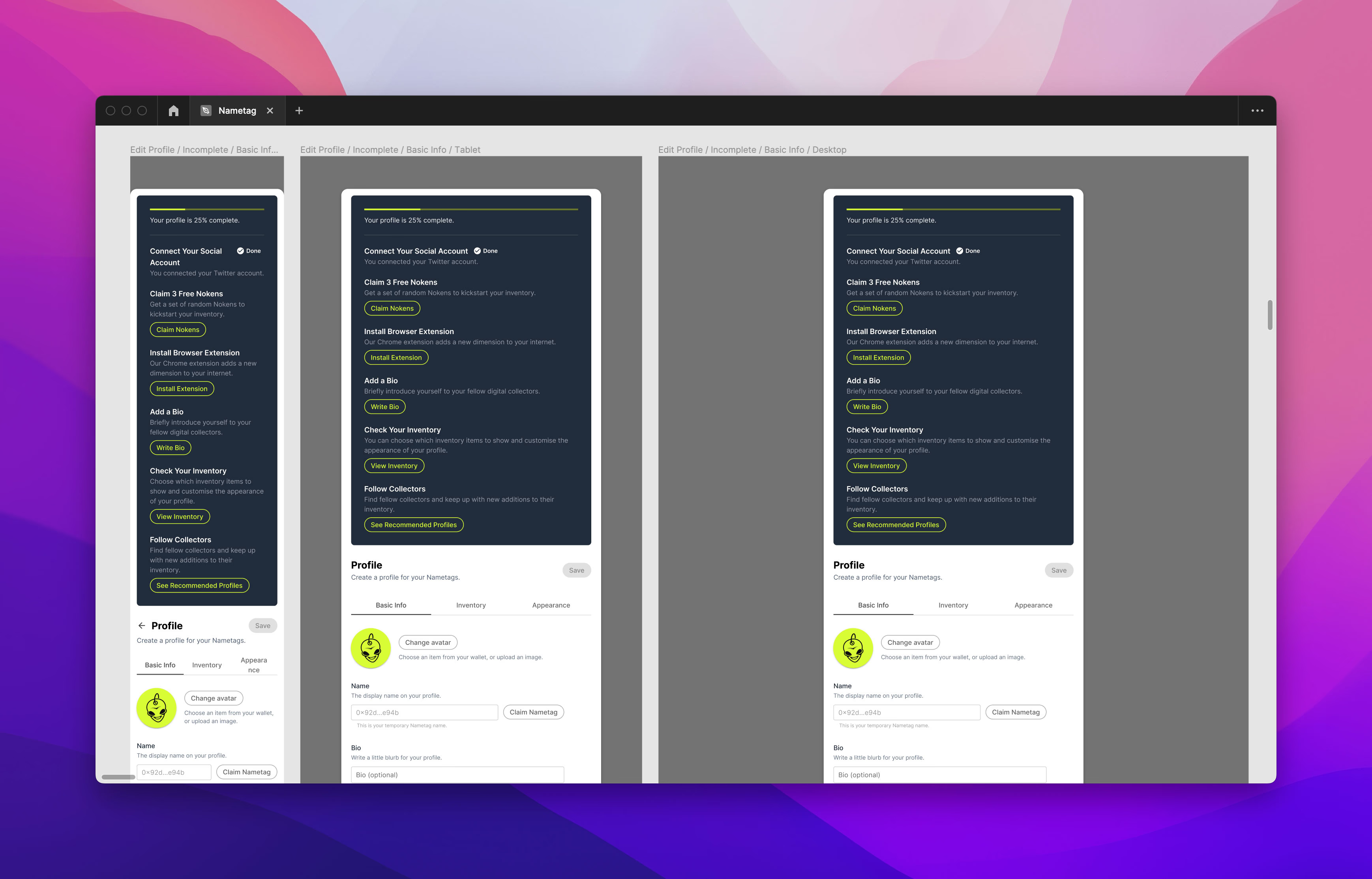
We deliberately made signup as frictionless as possible — social channels, email, web3 wallets like MetaMask, and QR codes. Instead of separating 'sign up' from 'log in', we unified the flow: pick your method, and we either recognise your account or start onboarding. This removed a common drop-off point. Post-onboarding, users could start using Nametag immediately, then finalise their profile through guided steps when ready.
iOS & Android Concepts
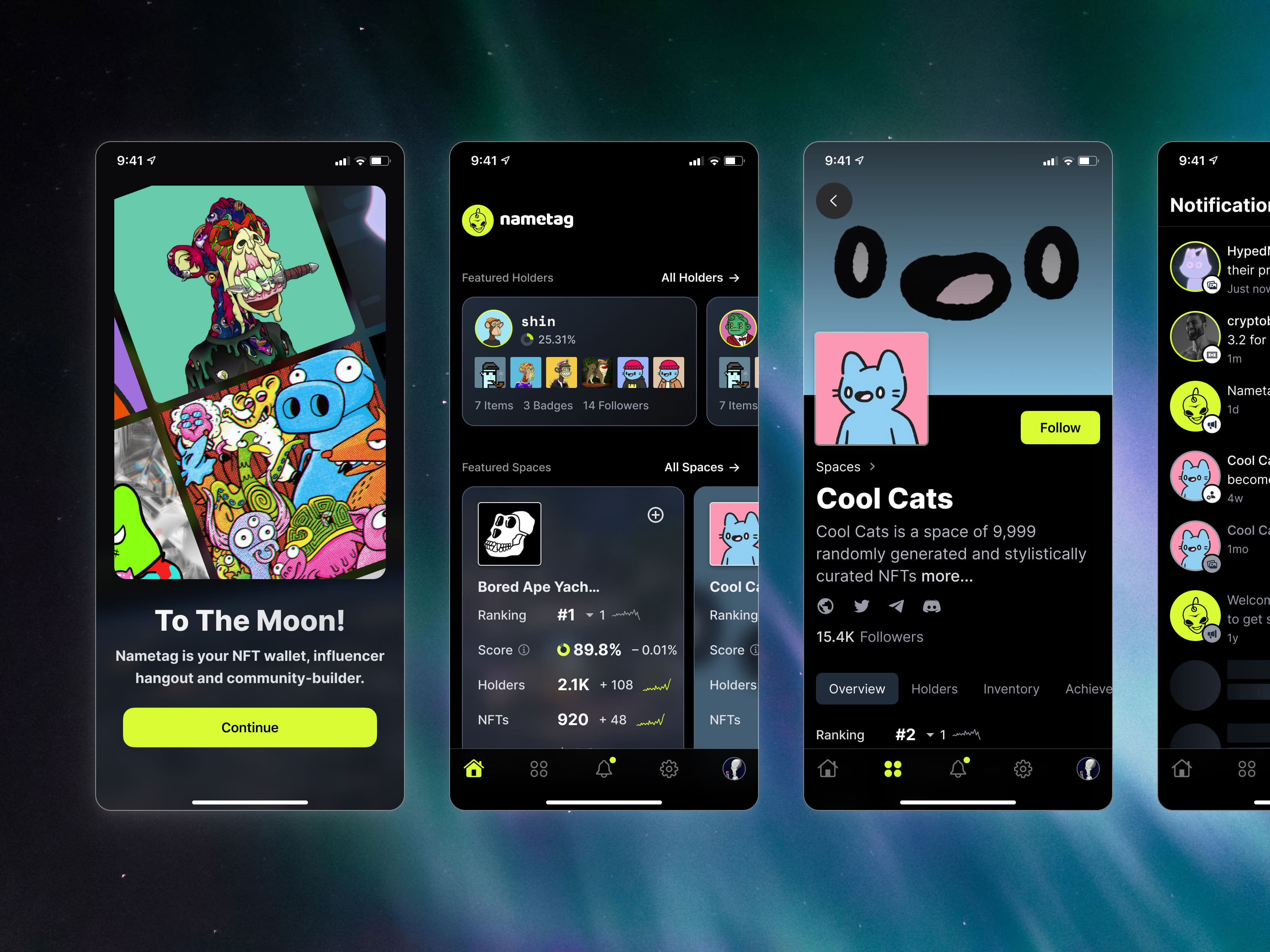
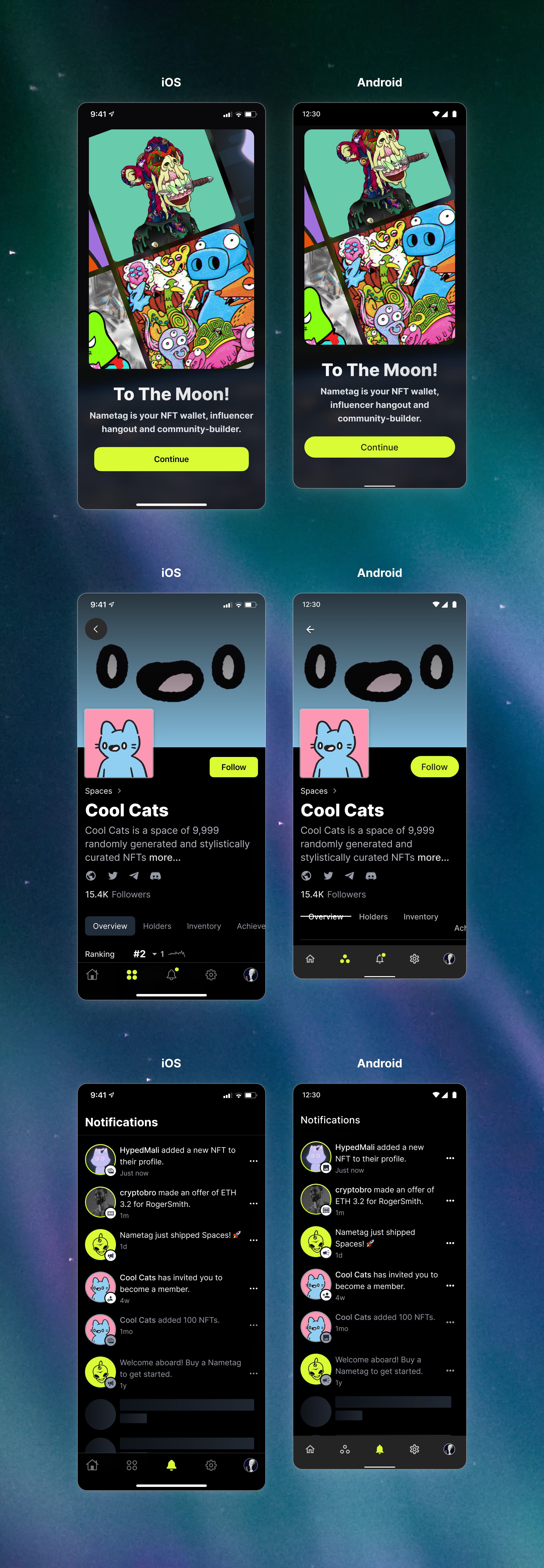
Before pivoting to a web-only strategy, I designed native app concepts for both iOS and Android. The challenge was making each platform feel native — respecting iOS and Material Design conventions for navigation, iconography, and button radii — while maintaining a distinctly Nametag identity across both.
Design System
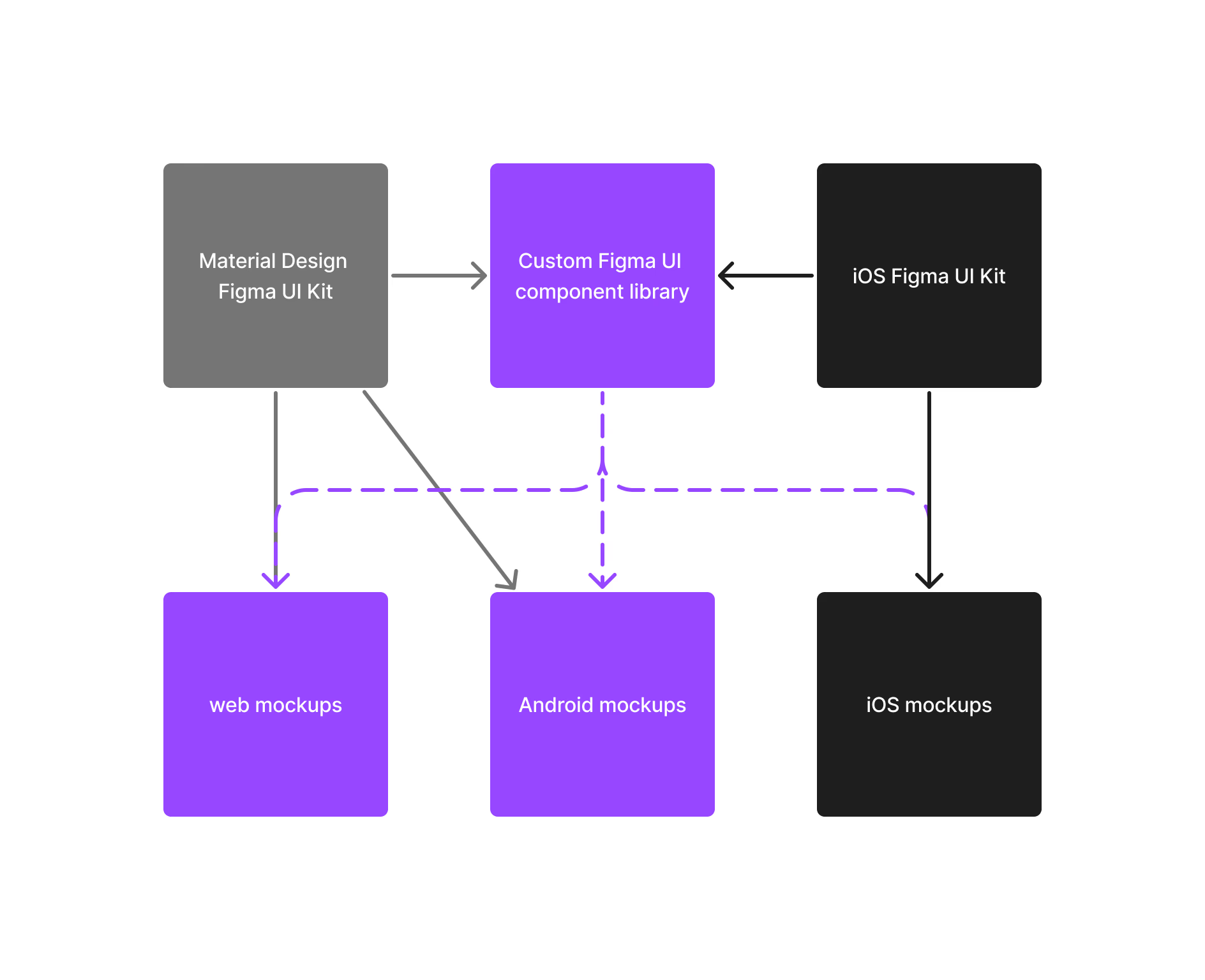
As a solo designer doing the work of an entire team, I needed to work smart. I built a design system in Figma using Material Design as the foundation for both web and Android, with a separate iOS layer on top. Each custom component only needed two variations instead of three — a 33% reduction in design effort. The system scaled across multiple Figma files and gave the engineering team a single source of truth.
Outcome
Nametag secured a $2M seed round co-led by OKX Ventures and GSRV as a direct result of this work. The product grew to 60,000 users with a 4.9-star rating on the Chrome Web Store before the service was eventually shut down. Alpha prototype to funded and shipped, as a solo designer, in under a year.