creative.ai
Led design for a Berlin AI startup in 2016 — exploring text-to-design and AI-powered creative tools years before the industry caught up.
“Damir is a one-of-a-kind designer with a true sense for product, making it a pleasure to work together. An unbeatable match in every way.”

The Vision
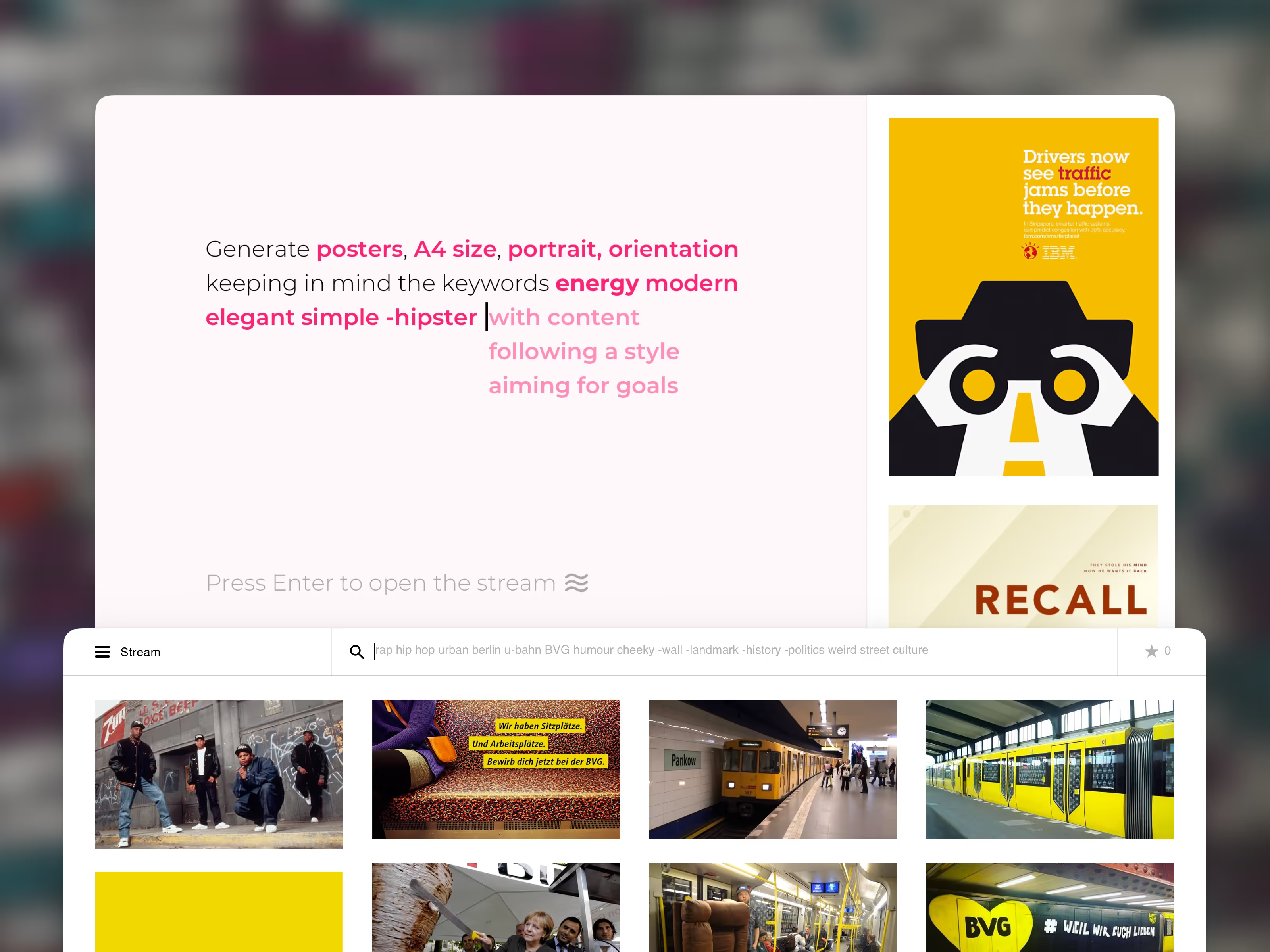
In 2016, creative.ai was exploring a radical premise: what if AI could be a creative collaborator, not just a tool? I joined the Berlin-based startup as lead designer to give shape to that vision across two products. The first was a text-to-design generator — users would input keywords and the system would produce images, posters, and websites in real time using machine learning. Style transfer let users remix any creative asset with a completely different aesthetic instantly. This was years before Midjourney, DALL-E, or Stable Diffusion existed.
Design Sprint to Prototype
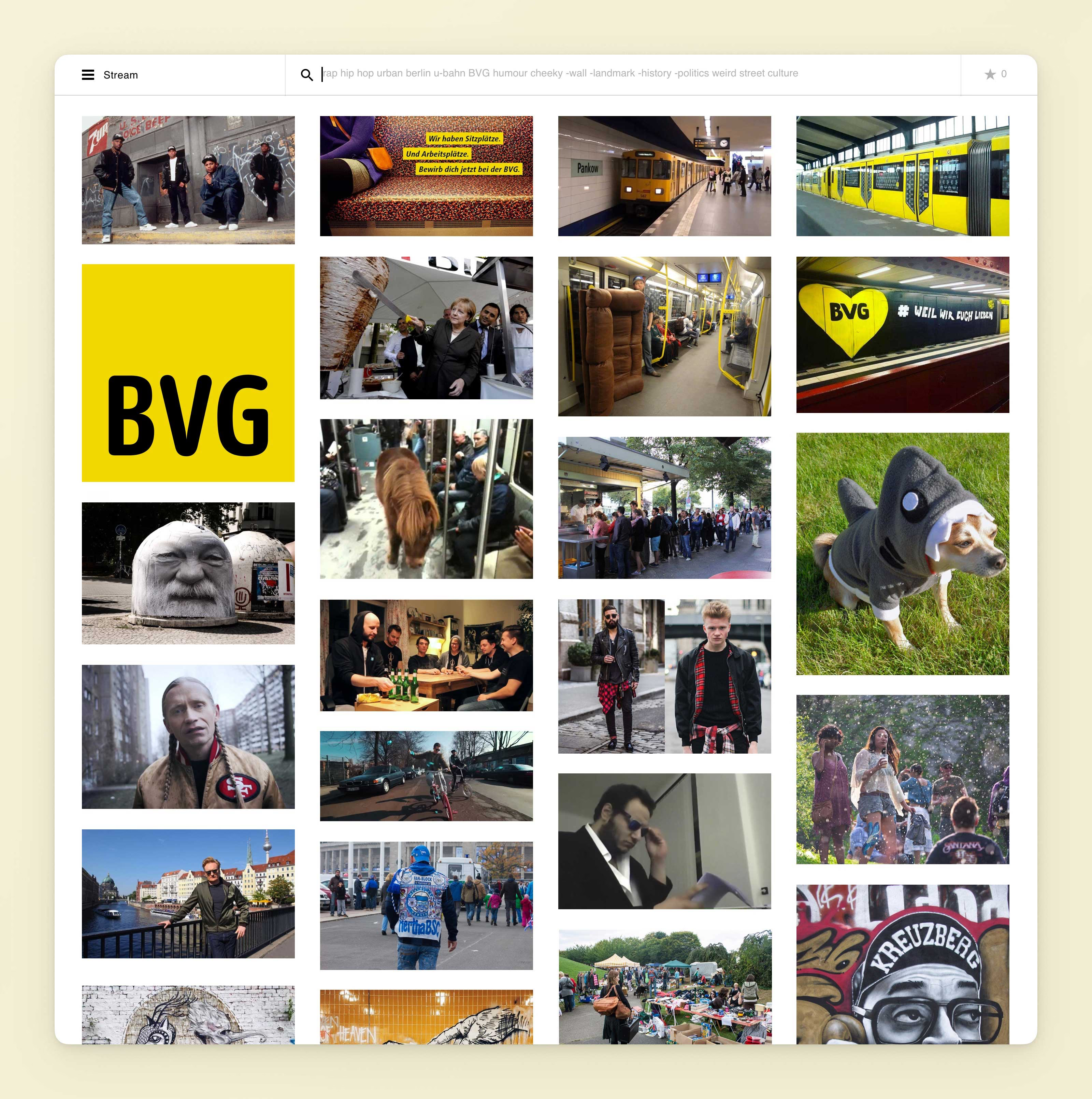
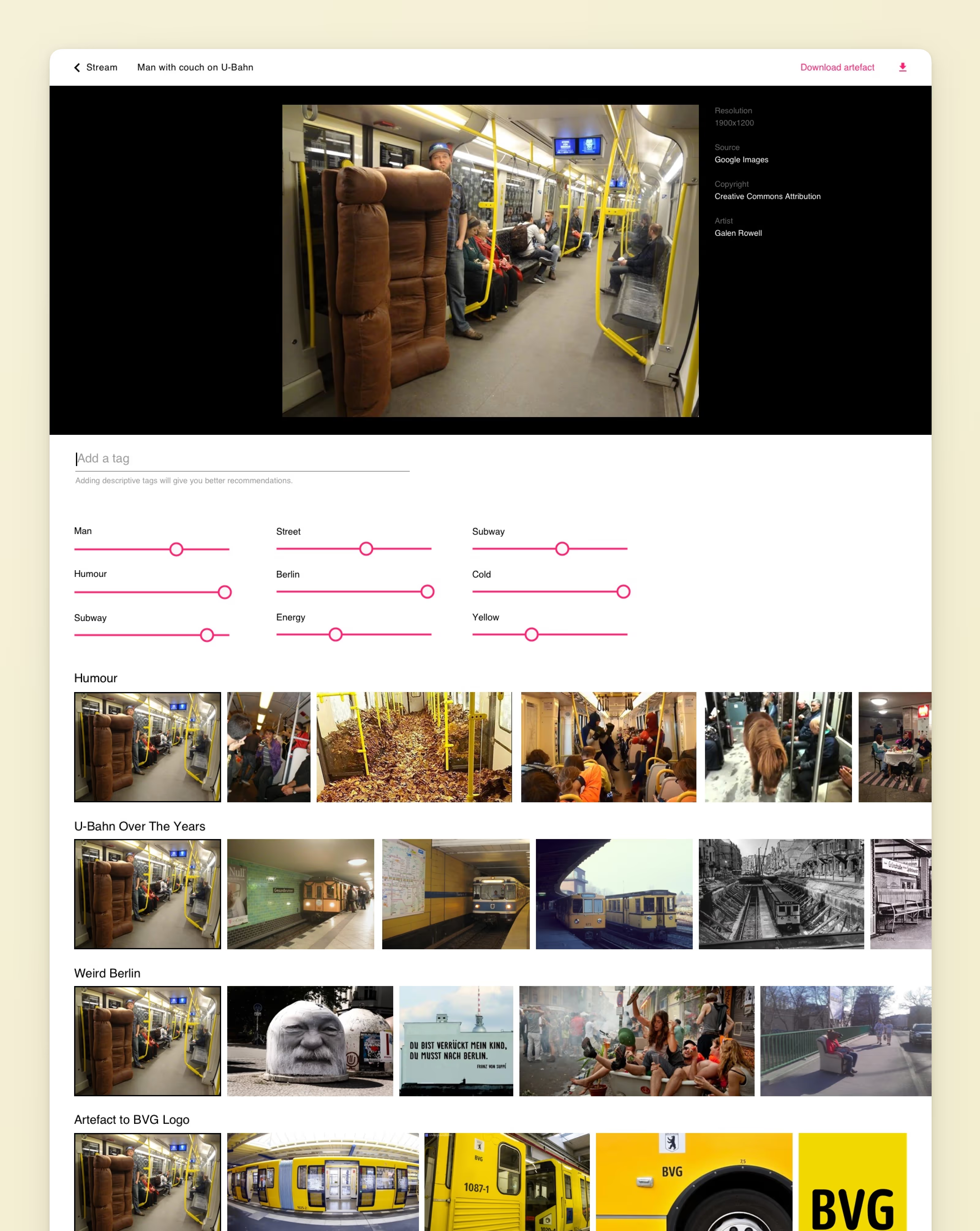
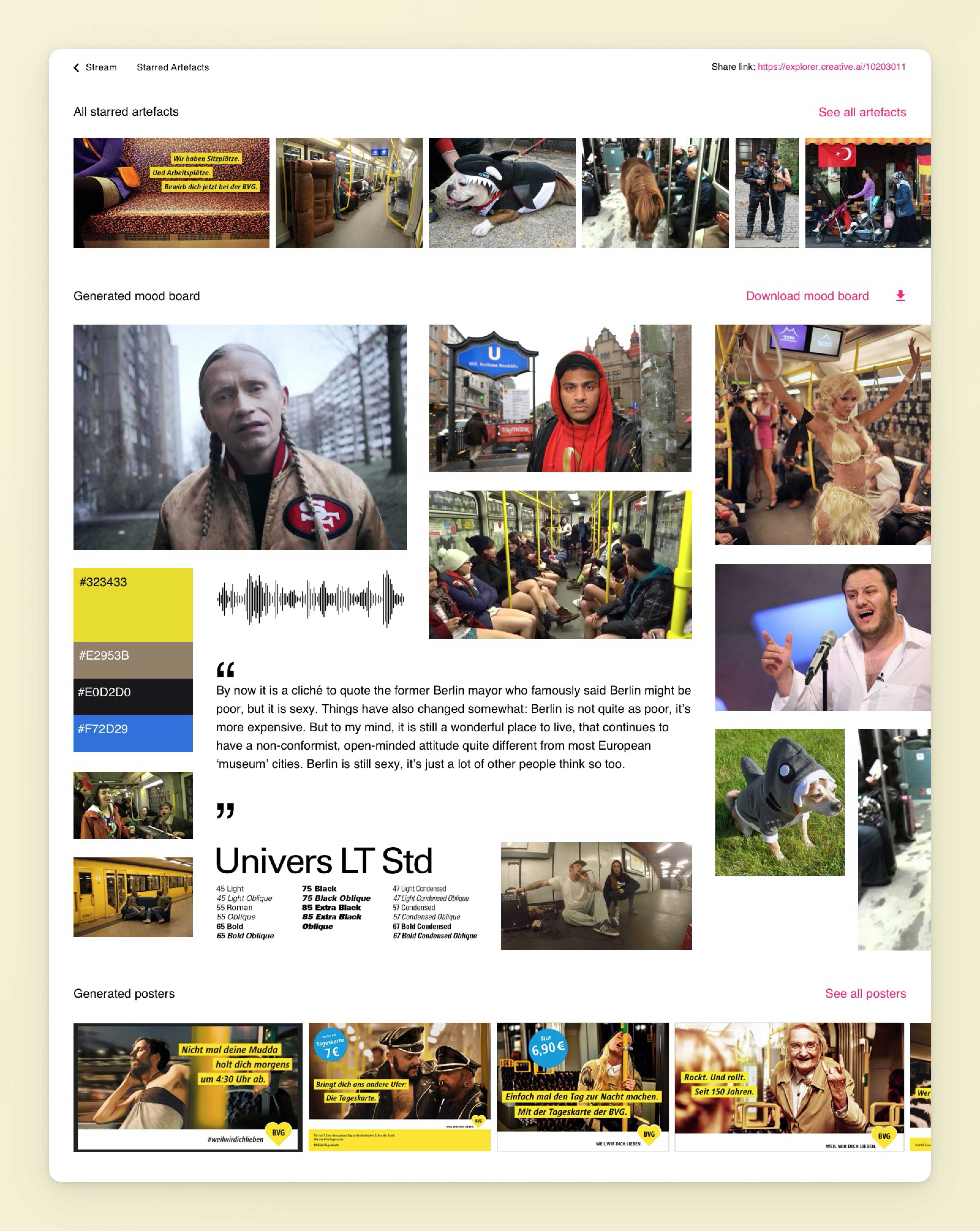
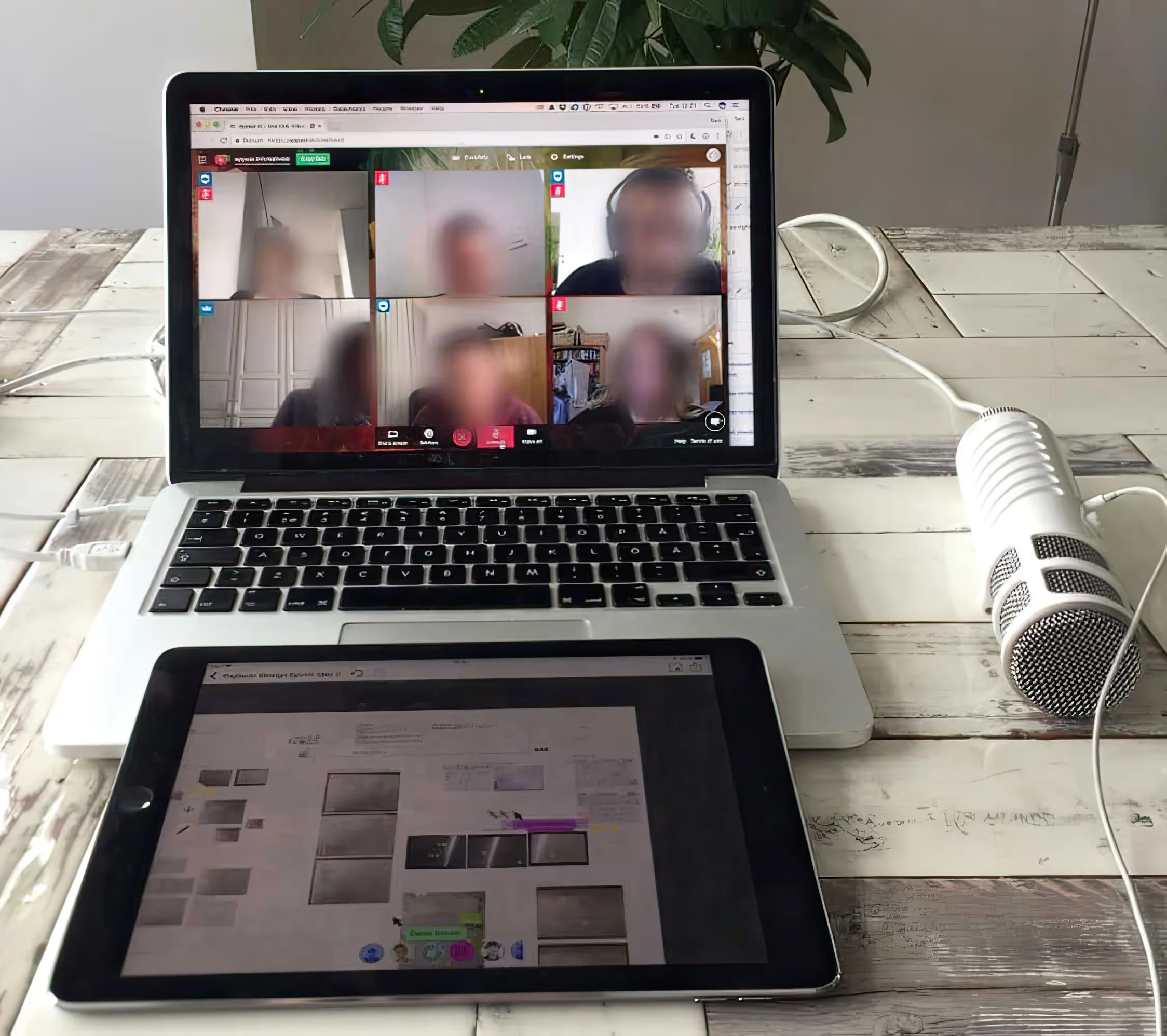
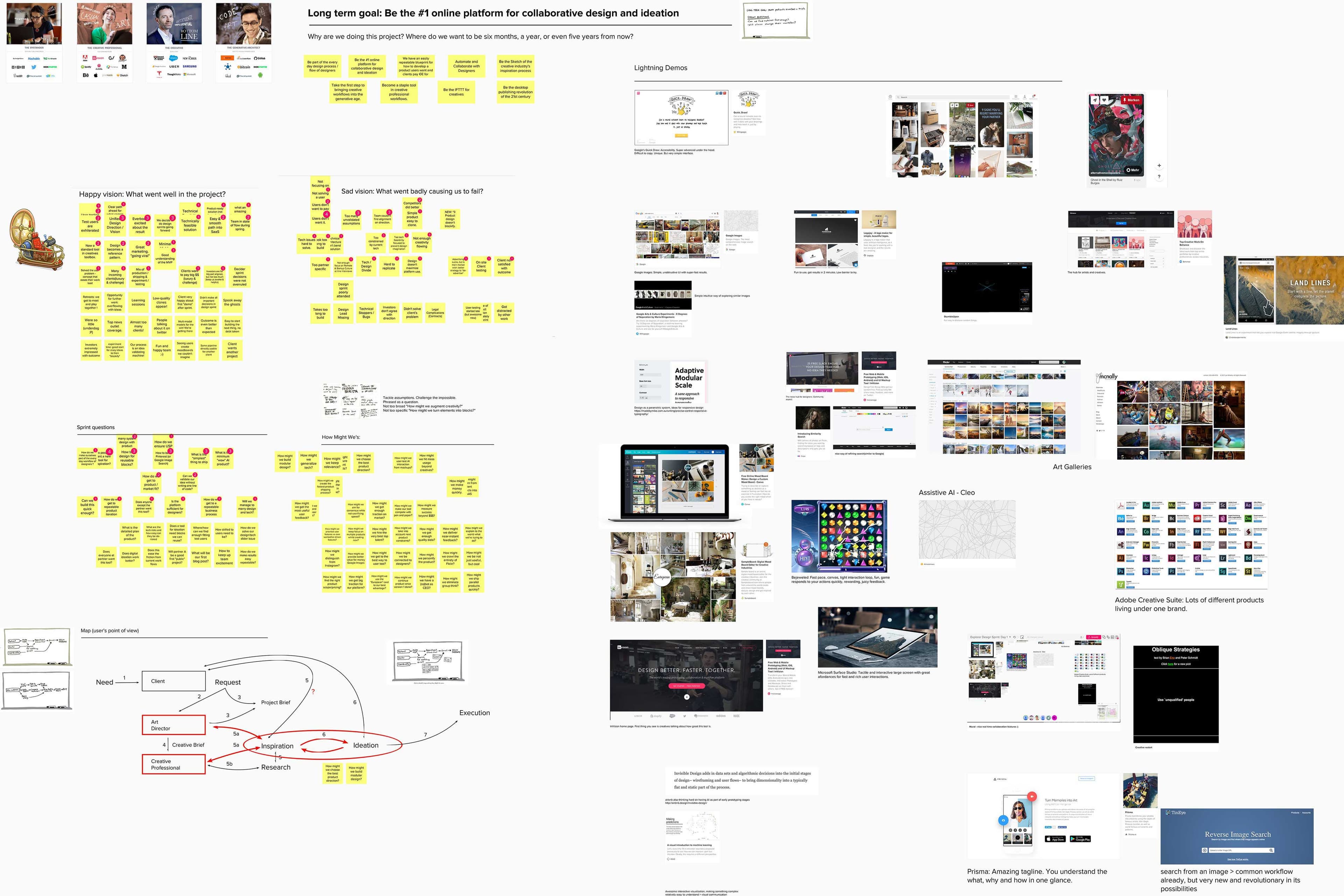
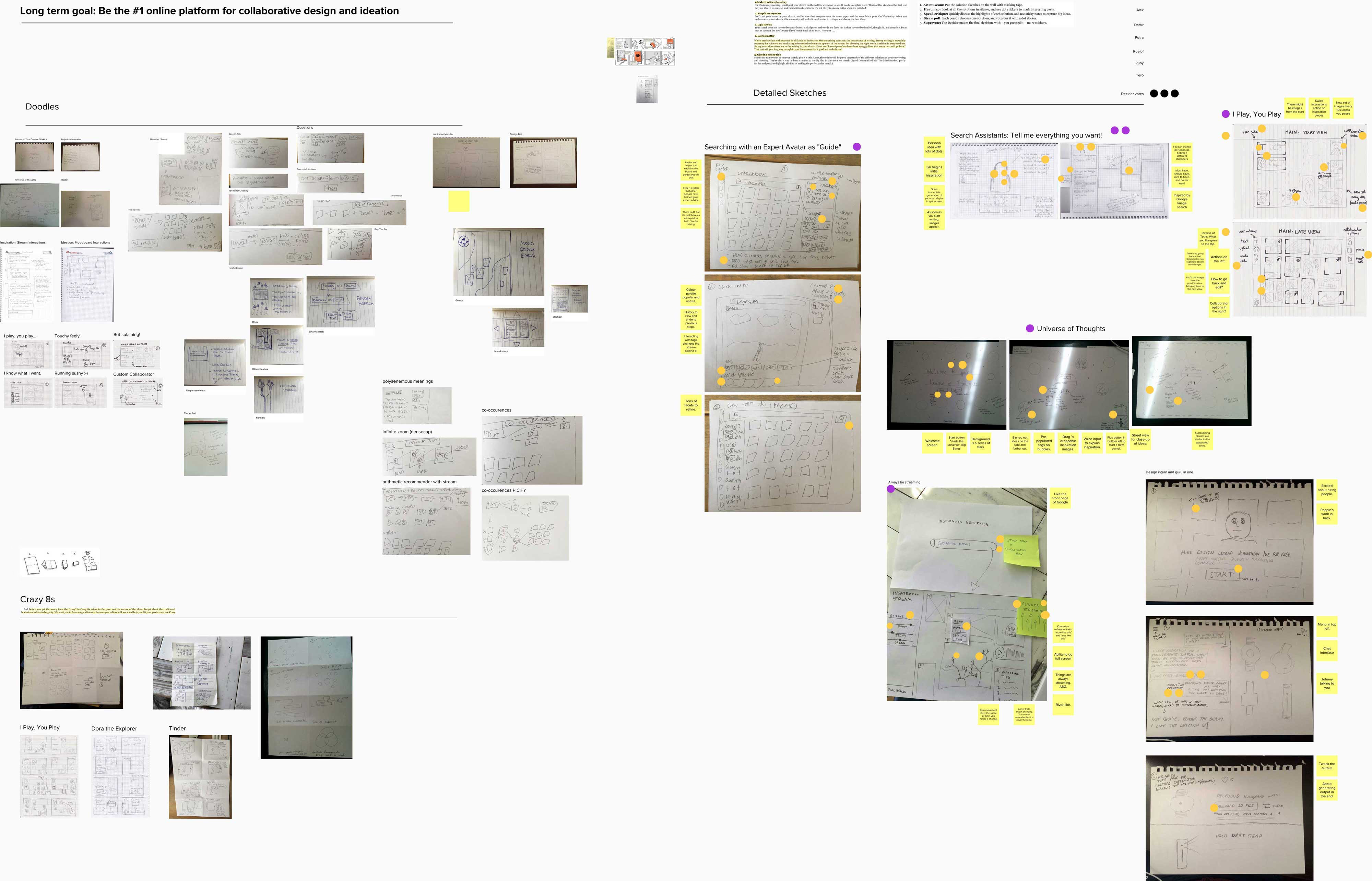
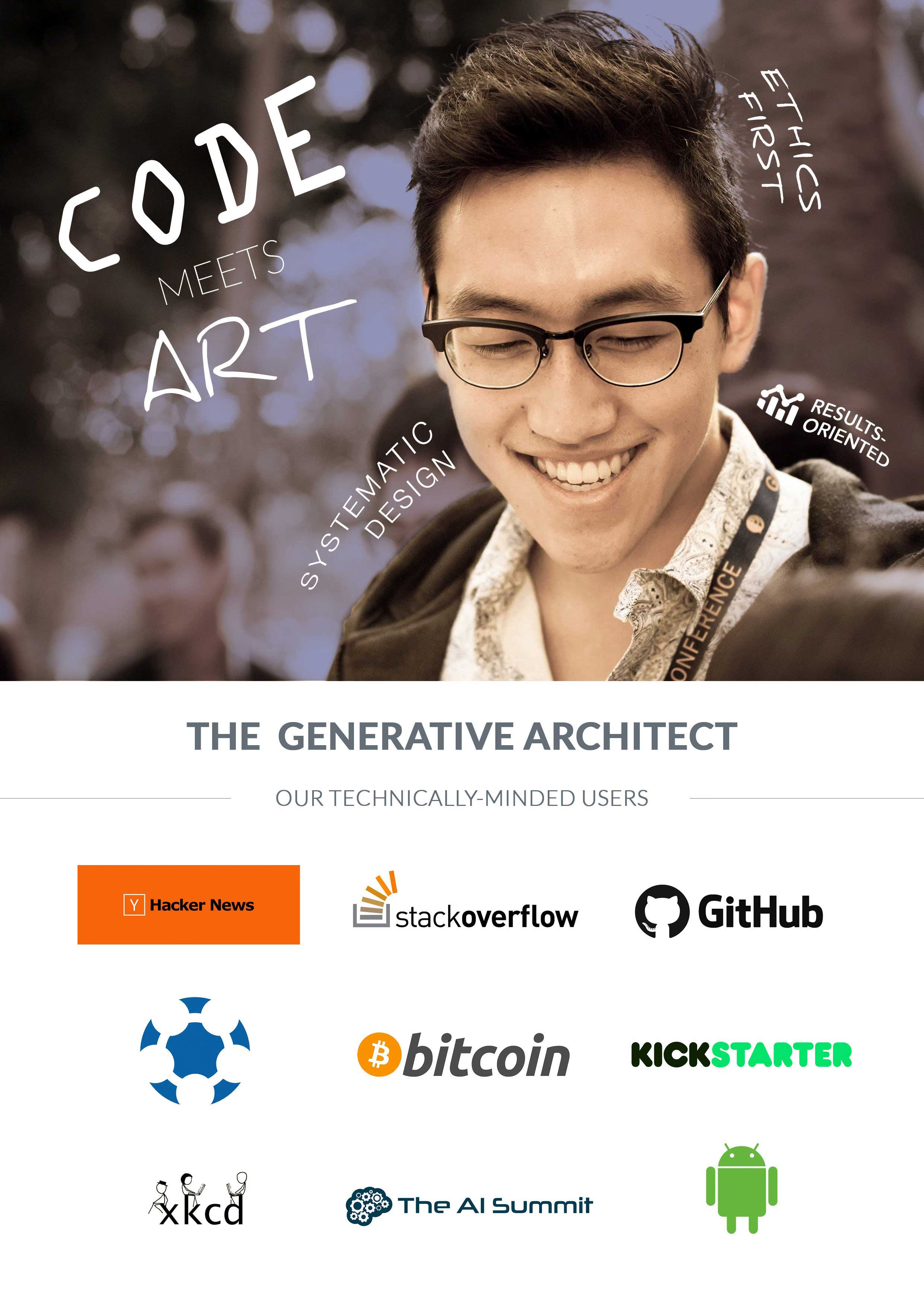
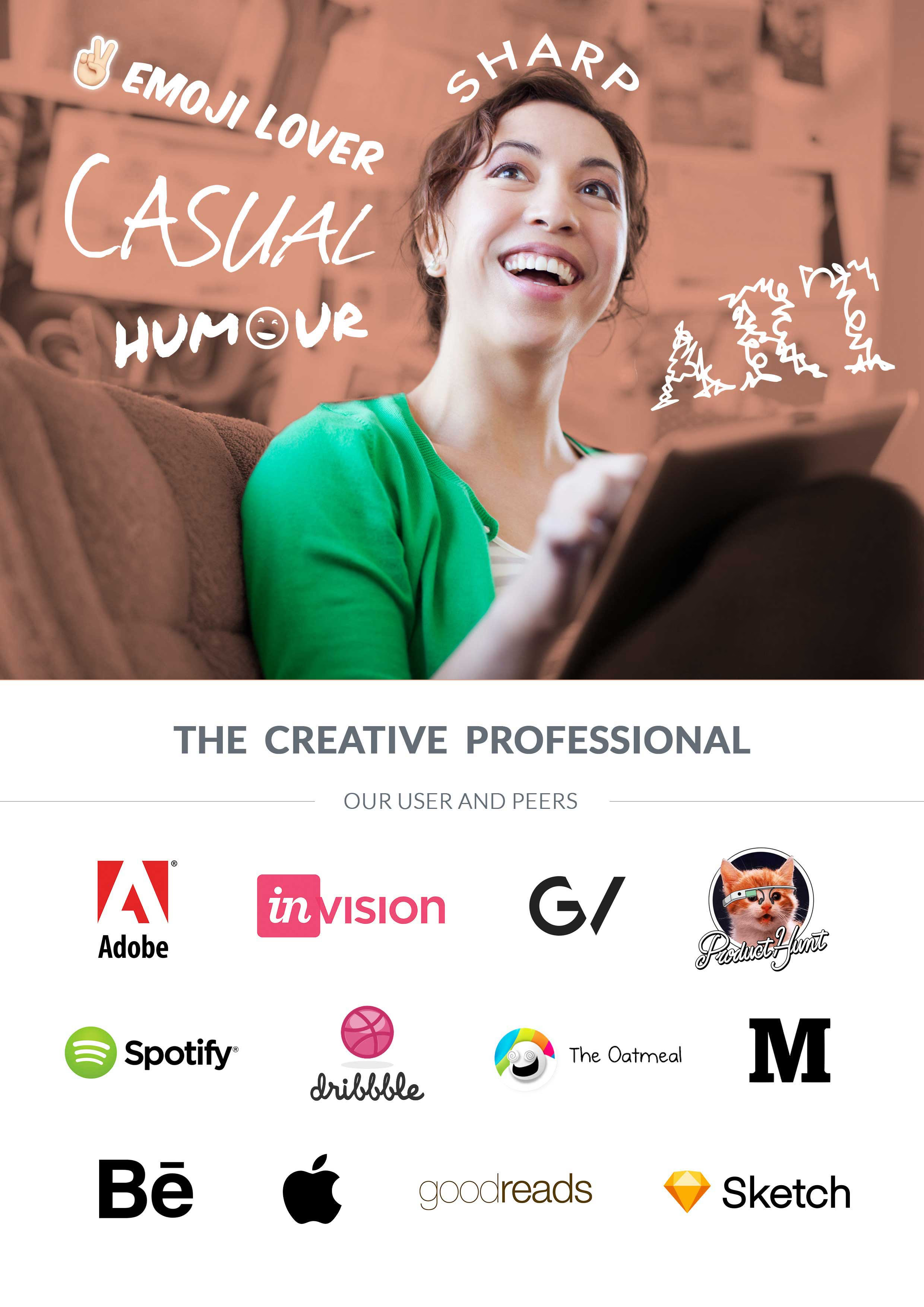
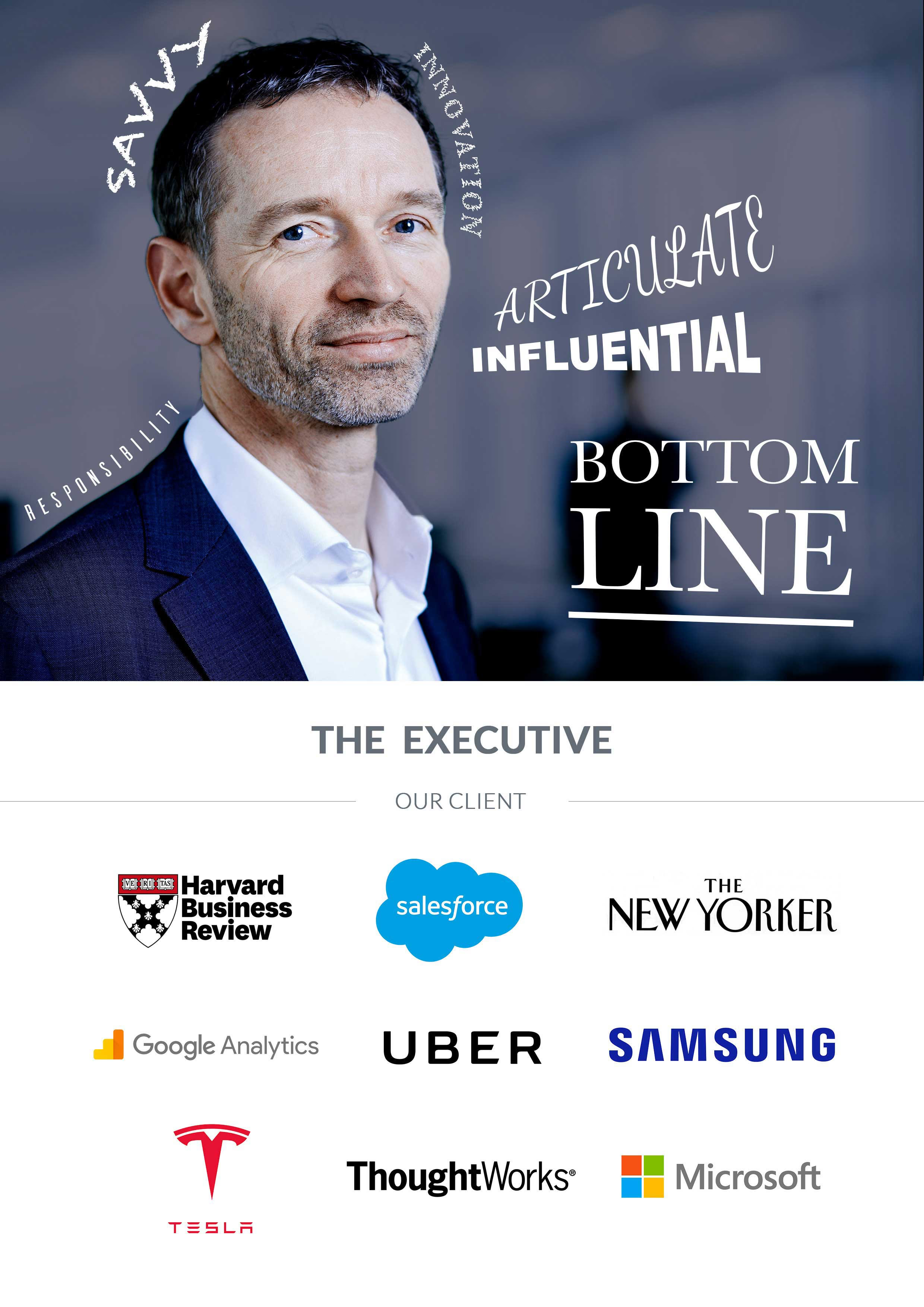
The second product, Ideaverse, needed to go from vague idea to investor-ready prototype in two weeks. I facilitated a remote design sprint across Berlin, Amsterdam, Helsinki, Vienna, and Australia — two days of workshops to align the team on a single product direction. We narrowed a dozen concepts down to one: a universe of ideas where users could explore, collect, and fine-tune AI-generated creative inspiration, then collaborate with teammates on art direction.
The Product
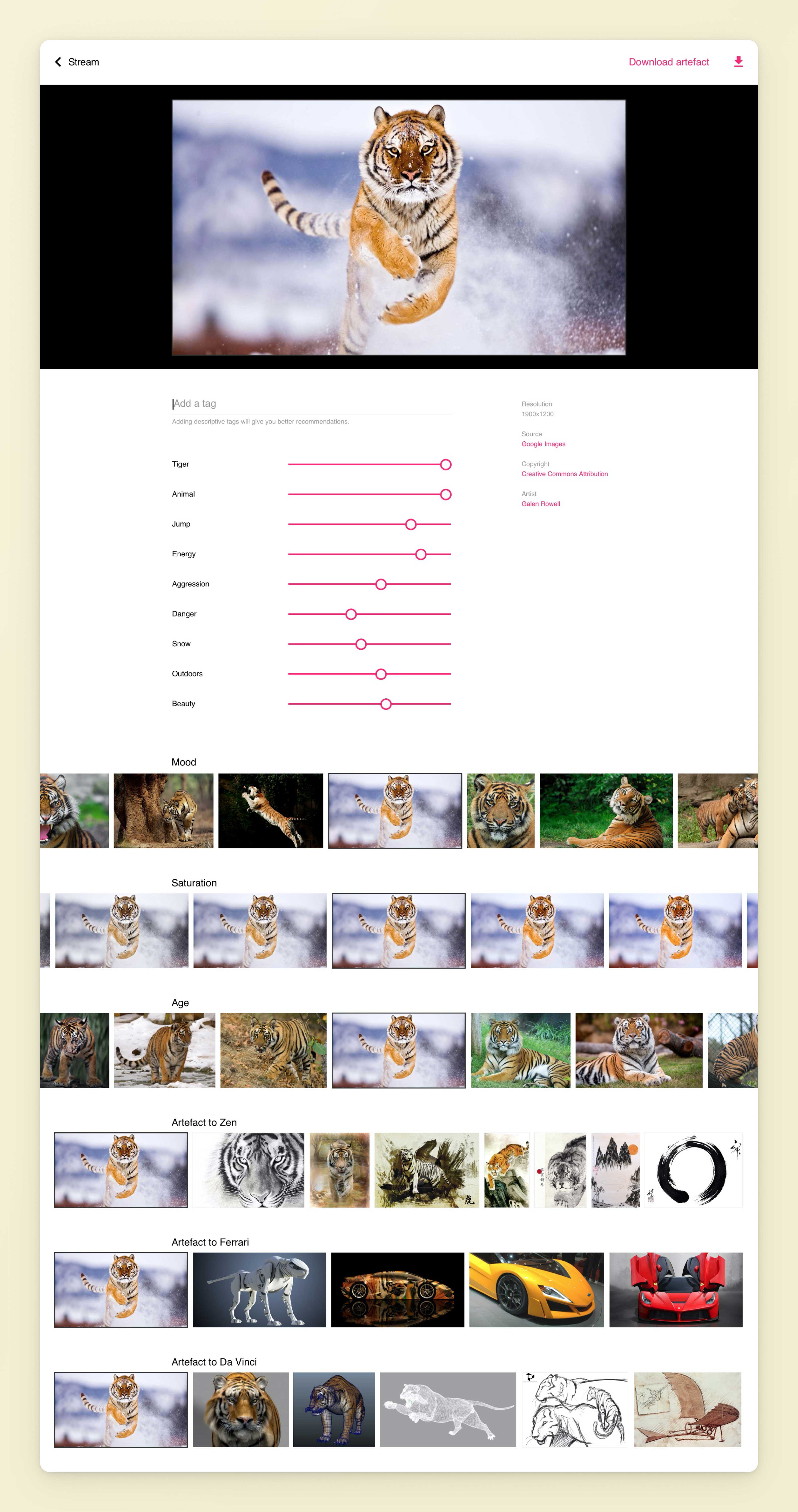
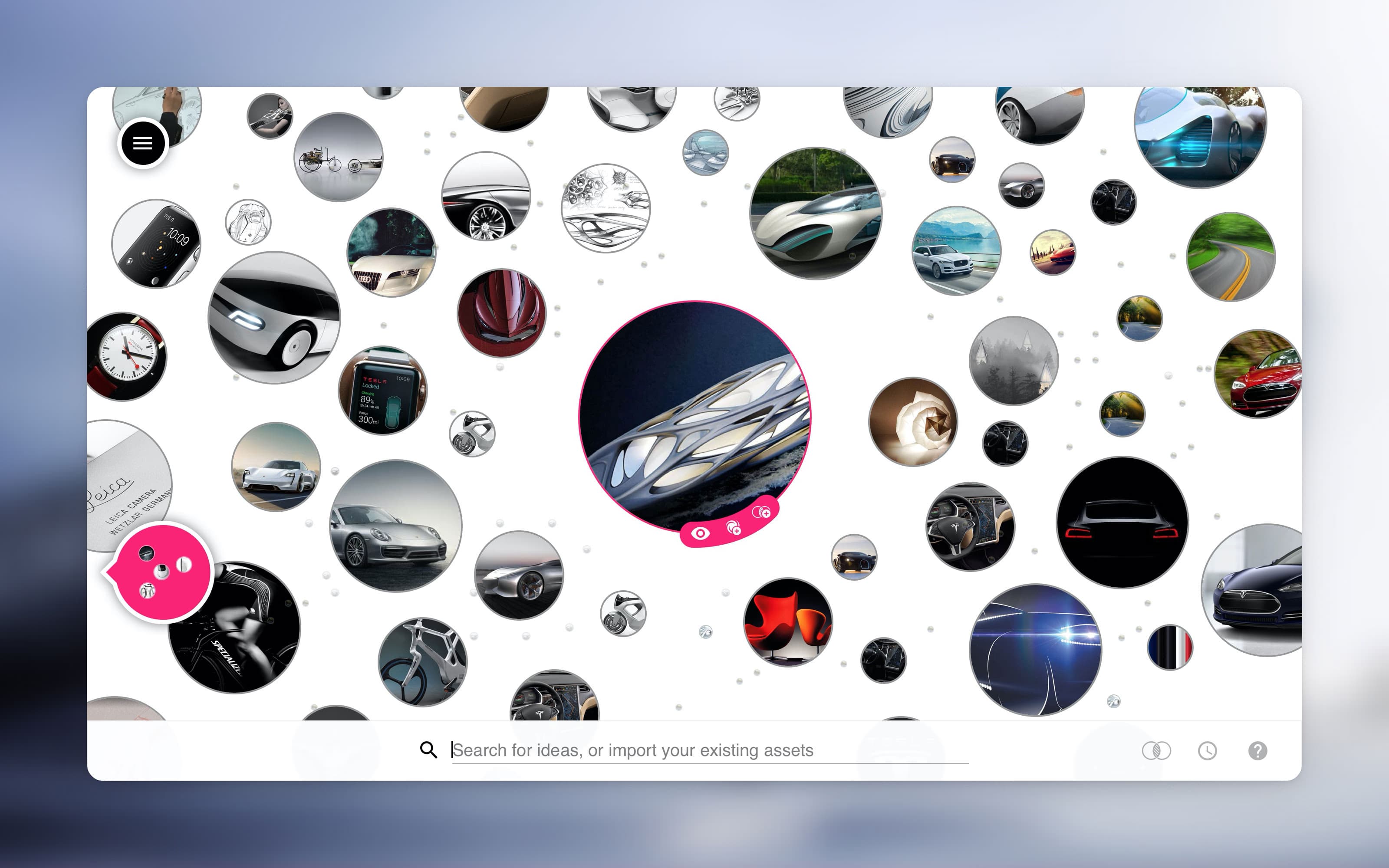
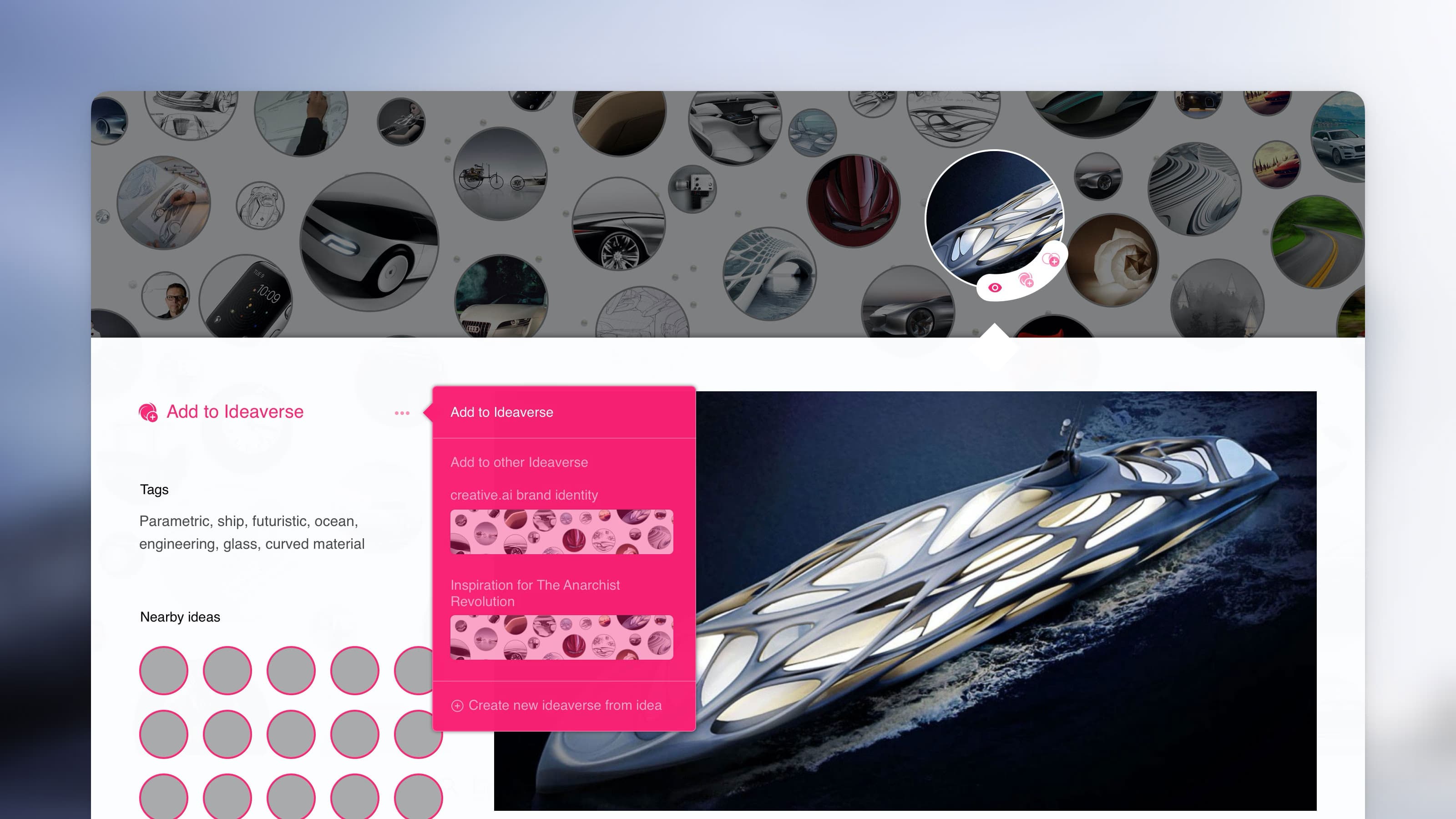
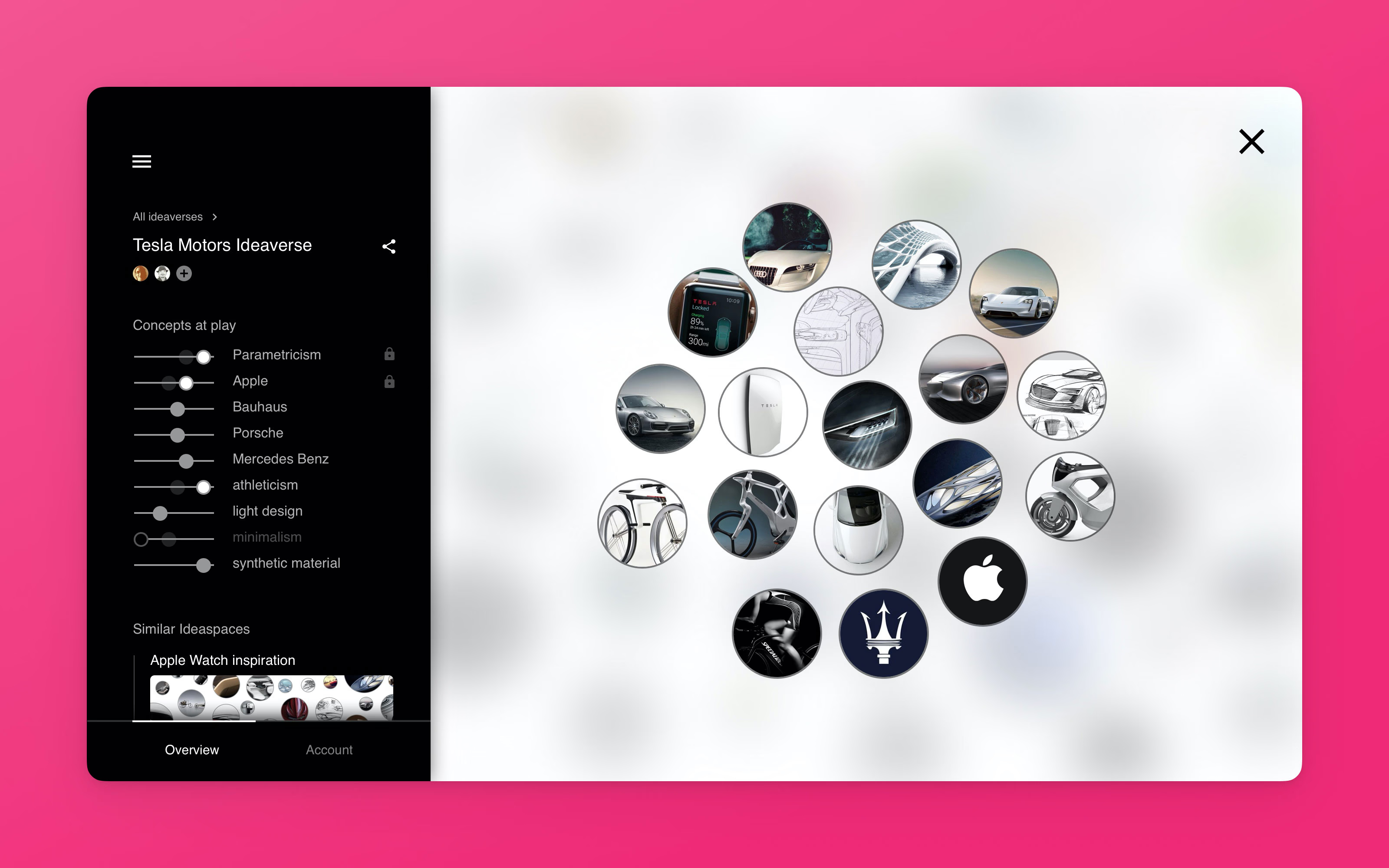
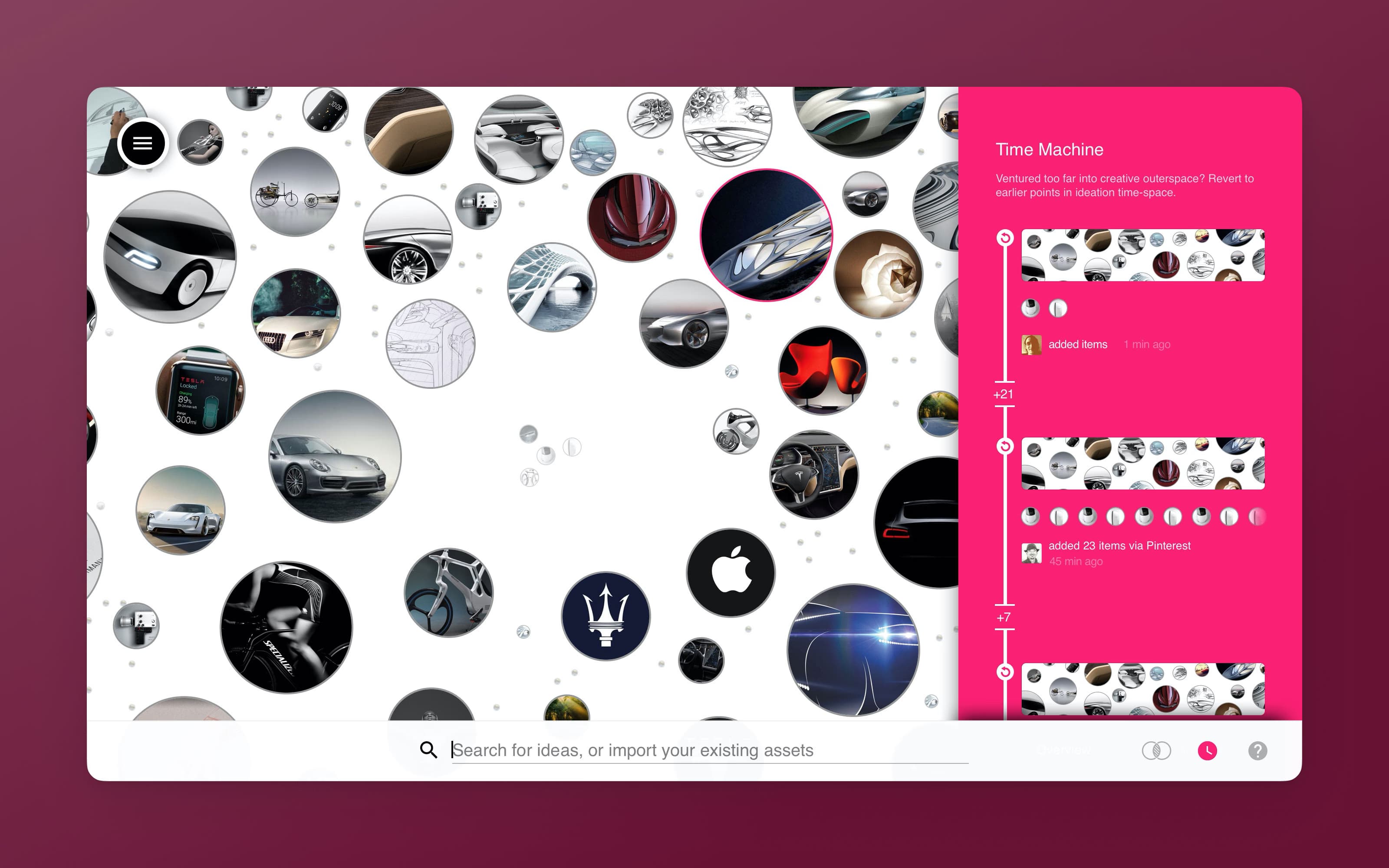
Ideaverse was built around the metaphor of an infinite universe of ideas. Users could explore AI-generated creative concepts, collect inspiration, fine-tune creative direction through intuitive controls, and collaborate with teammates using version control designed for creatives. I delivered the complete design — concept through clickable prototype — in the second week. The prototype helped reassure investors, clarify requirements for developers, and align the team on the road ahead.
Validation
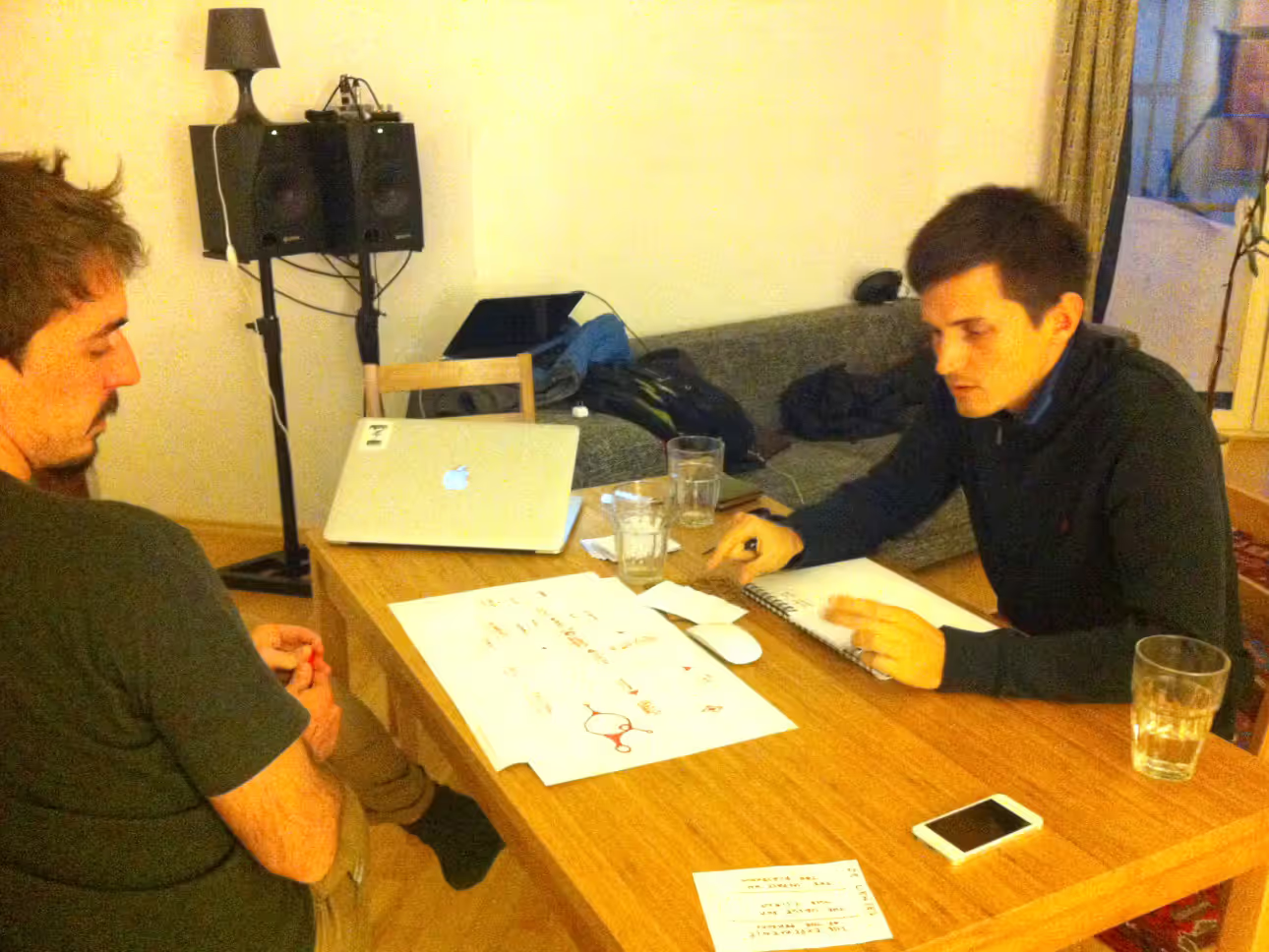
I built a clickable prototype and tested it with designers — former colleagues who represented the target audience. The sessions surfaced valuable insights about how creatives relate to machine-generated work, and where the line sits between useful assistance and unwanted automation.
The Team
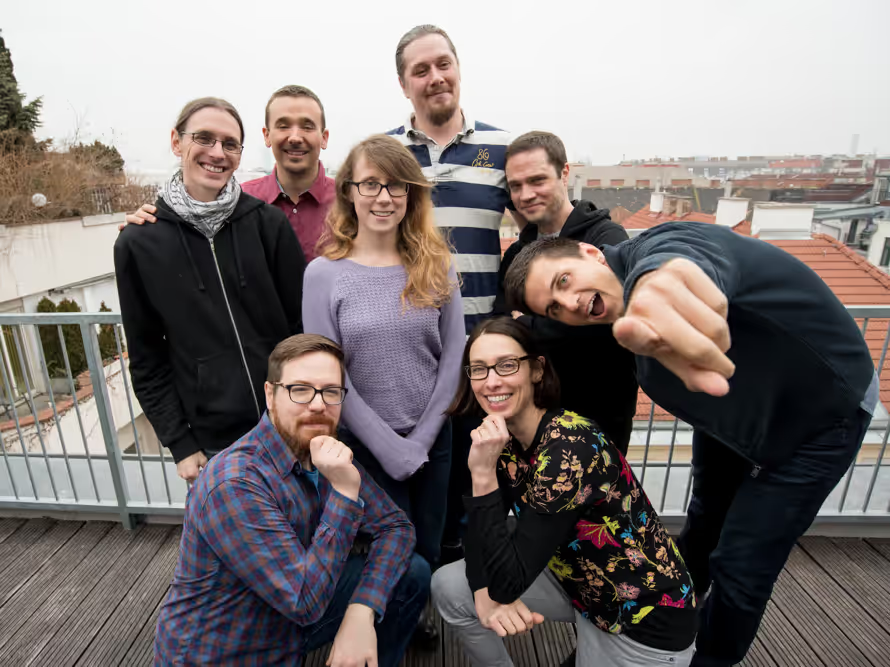
creative.ai was a small, ambitious team spread across Europe. I worked closely with the CEO and engineers, often sketching through product concepts together before jumping into Figma. Being the only full-time designer meant owning everything from research and workshop facilitation to visual design and prototyping.
Outcome
Neither product launched — the vision required ML capabilities that weren't mature enough in 2016. But the core thesis was right. Today, tools like Midjourney, DALL-E, and Stable Diffusion have validated everything creative.ai was reaching for.